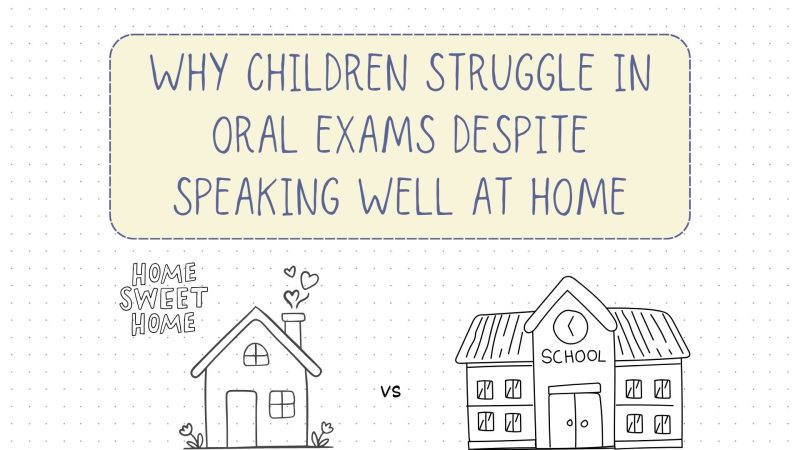
If you have a child who is chatterbox at home, you might naturally assume that the PSLE Oral examination will be a breeze for them. After all, they can effortlessly debate you on why they deserve more screen time, or give you a highly detailed, twenty-minute summary of their favourite video game.
Yet, many parents are shocked when this same expressive, talkative child comes home from a mock exam with a feedback sheet that says they were quiet, hesitant, or struggled to expand their points. It is a confusing gap that leaves many parents wondering how a child who speaks so well casually can suddenly freeze up when facing an examiner.
The simple truth is that casual conversations and oral exams are not the same thing at all. They require completely different sets of skills, mindsets, and emotional comfort levels.
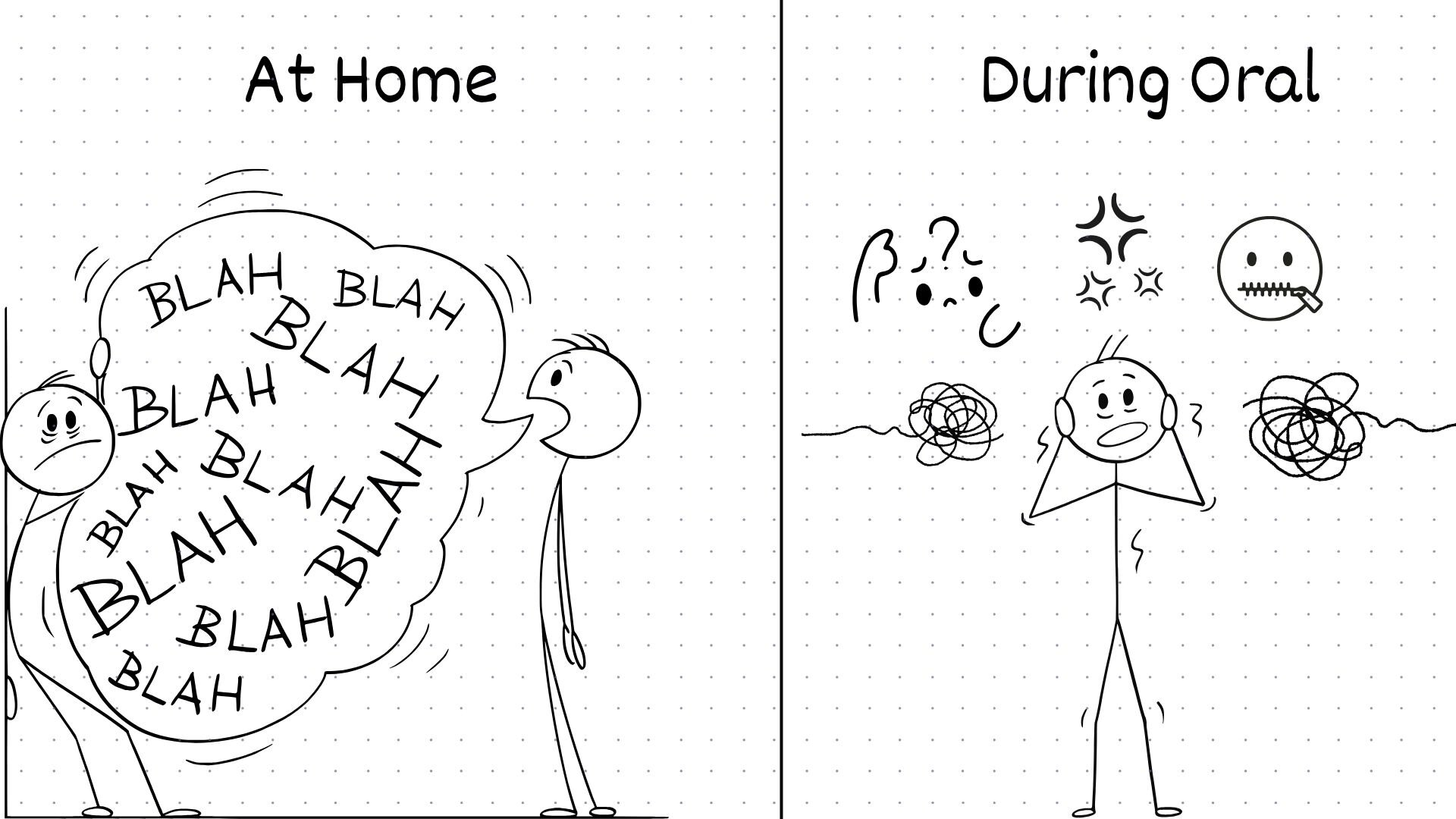
The biggest reason children speak so fluently at home is the total absence of stakes. The home is a deeply familiar environment where your child feels entirely safe. They have zero fear of judgement because they know their family accepts them unconditionally. In the exam room, however, the physical setting changes entirely. Sitting in a quiet room across from a teacher who is actively holding a grading rubric introduces an intimidating atmosphere that can instantly cause a child’s natural eloquence to vanish.
Furthermore, when a child is aware that every single sentence coming out of their mouth is being evaluated, they begin to overthink. Instead of just sharing an idea, they try to perfect their grammar, vocabulary, and sentence structures mid-speech. This intense internal filtering causes a massive mental traffic jam. They hesitate, stutter, or second-guess their thoughts, opting for short, overly safe answers just to avoid making a noticeable slip.
Casual conversations are beautifully messy. They jump around from topic to topic based on whatever pops into your head. A child can talk about their school lunch, pivot to a cartoon they watched, and then mention a friend, all within a single minute. Oral responses, however, require a high level of mental organisation. Students need to state their opinion and structurally support their ideas with relevant real-world examples or personal anecdotes, and then link them back to their main point, which requires a type of disciplined thinking.
Daily family conversations naturally revolve around immediate, everyday subjects like favourite video games, school gossip, or weekend plans. Oral questions, on the other hand, frequently involve broader social issues in Singapore, such as environmental sustainability, community kindness, healthy lifestyle habits, or technological changes. When a child faces a theme they have never actively debated or thought about before, they run out of content almost immediately. They do not lack language ability. They simply lack the specific topic knowledge required to sustain a mature conversation.
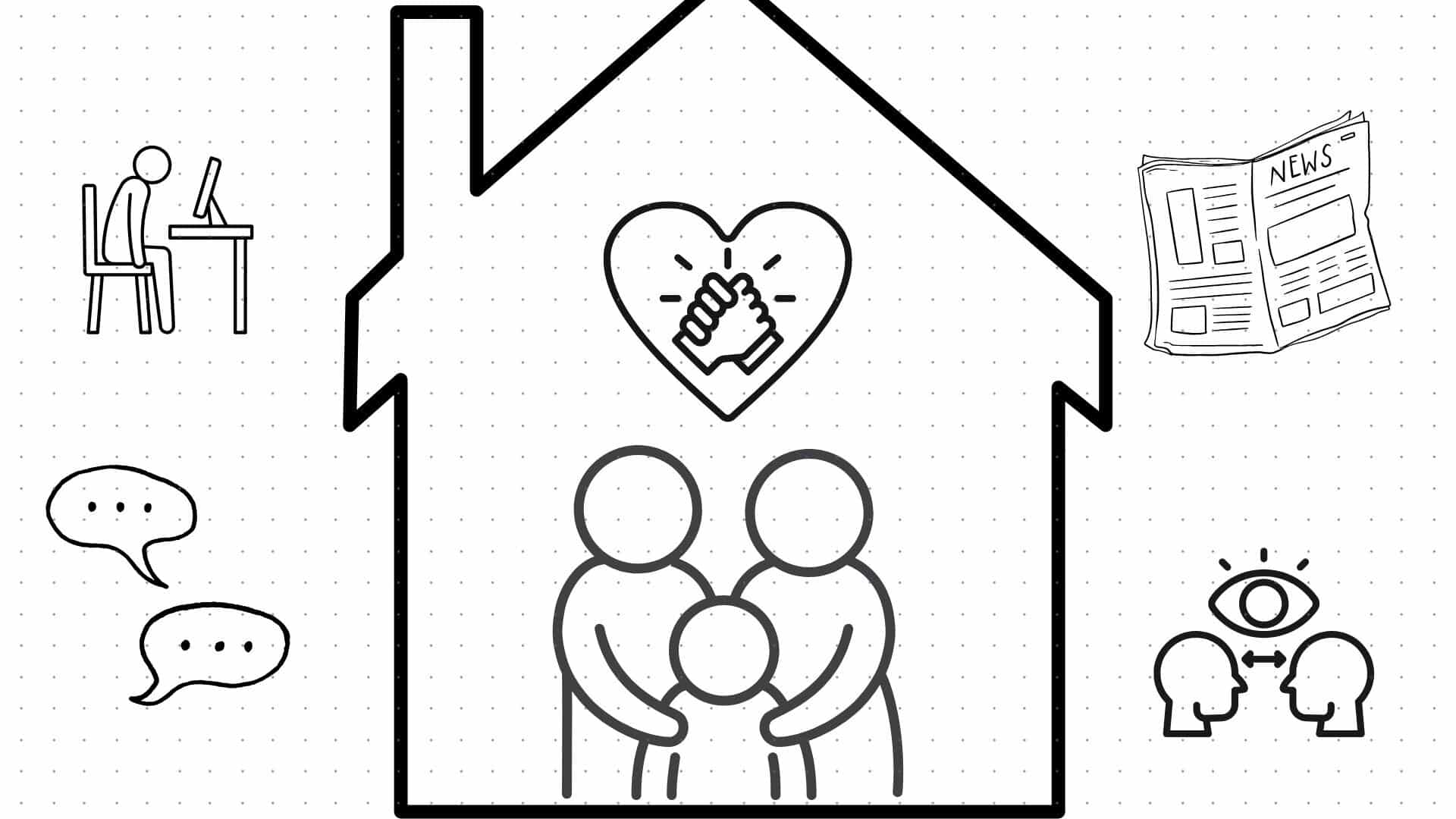
Since the quiet, formal atmosphere of the exam room is what triggers overthinking and mental traffic jams, you can help by reducing the shock factor. Move your conversation away from the casual comfort of the sofa. Sit across from your child at a proper study desk, maintain steady eye contact, and ask them a single question from an oral prompt.
By practicing a formal, upright posture and getting used to the seriousness, your child learns to manage the physical sensations of nervousness. This simple practice helps them overcome the intimidating atmosphere of the actual examination hall so they can speak just as freely as they do at home.
To transition your child from jumping randomly between ideas to delivering a clear perspective, use their daily observations as a structural exercise. When your child shares an opinion about a movie or a school rule, challenge them to use a simple four-step structure to organise their thoughts.
Ask them to state their main point clearly, back it up with one specific example or personal story, explain how that example proves their point, and link it back to their main point. By guiding them to anchor their thoughts this way during casual chats, you train their brain to build an excellent response on the spot without relying on a paper and pencil.
You can easily build up your child’s content knowledge for broader Singaporean social issues during ordinary moments like the daily commute or grocery trips. Take note of things around you, such as a new active ageing poster at an MRT station, a recycling bin at an HDB void deck, or an advertisement about digital safety.
Point these out to your child and ask open questions like, “Why do you think our neighborhood introduced this campaign?” or “How do you think this helps people living in Singapore?” This habit naturally exposes your child to themes like community, technology, and environmental responsibility, giving them a rich bank of real-world knowledge to draw upon.
Transforming a naturally expressive child into a top-scoring oral exam student is all about giving them the right tools to channel their ideas. While home habits provide an excellent foundation, professional guidance can give your child the precise competitive edge and exam familiarity they need to stand out.
At WRITERS AT WORK, our dedicated Primary School Programme bridges the gap between casual speech and exam-grade eloquence. We provide students with easy-to-remember structural frameworks, rich vocabulary banks, and regular realistic practice sessions that eliminate exam-day nerves. We teach your child how to organise their thoughts rapidly, utilise advanced sentence structures naturally, and deliver their answers with genuine poise.
Join us today to help your child become a more confident and articulate communicator!
Oral communication is a skill that can be developed. While some children may naturally find speaking easier than others, all students can learn how to organise their thoughts, elaborate on their ideas, and communicate more effectively through regular practice and feedback.
Yes, it can affect their marks for language use. While casual chatting builds great confidence, the examiner is specifically looking for standard English grammar and appropriate vocabulary. Challenge your child to explain their day without using terms like “lah” or “siah”. This teaches them how to code-switch smoothly before they step into the exam room.
Yes, we do. If you want to take the guesswork out of your home practice sessions, our PSLE Oral 360 Model Responses Book is available for purchase on our website. This resource is designed to show you and your child exactly what high-scoring, well-structured elaboration looks like across a wide variety of common exam topics.

Agnes Ng, Co-Founder and Teaching & Curriculum Director of WRITERS AT WORK. An NUS Honours graduate and published author with over 30 years of experience, Agnes has been the architect of the organization’s student-centric curricula since 2012.
Dedicated to teacher mentorship and academic excellence, she has guided hundreds of students to achieve outstanding results. Her expertise and commitment to high-quality education remain the cornerstone of WRITERS AT WORK’s success in empowering every learner.



Start practising and learning

