W@W Blog

O-Level Oral Tips: The Environment and Sustainability

Conversation between two people talking about environmental issues and sustainability.

Introduction: Why This Topic Matters for O-Level Oral

In the modern educational landscape, themes surrounding global sustainability are increasingly prominent. During the oral communication examination, students are frequently required to respond to real-life issues, everyday situations, social trends, or personal experiences. Because environmental degradation, climate change, and green habits directly shape public policies and lifestyle choices in Singapore, understanding how to discuss these concepts with nuance is critical.

While no one can predict exactly which prompts will appear in the national examinations, mastering this topic cluster equips you with versatile arguments that can be adapted to a wide array of questions about modern society, active citizenship, and global responsibility.

Quick Overview: The 3 Themes Covered in This Blog

To give you a structured road map for your revision, this guide breaks down the environmental domain into three highly integrated themes:
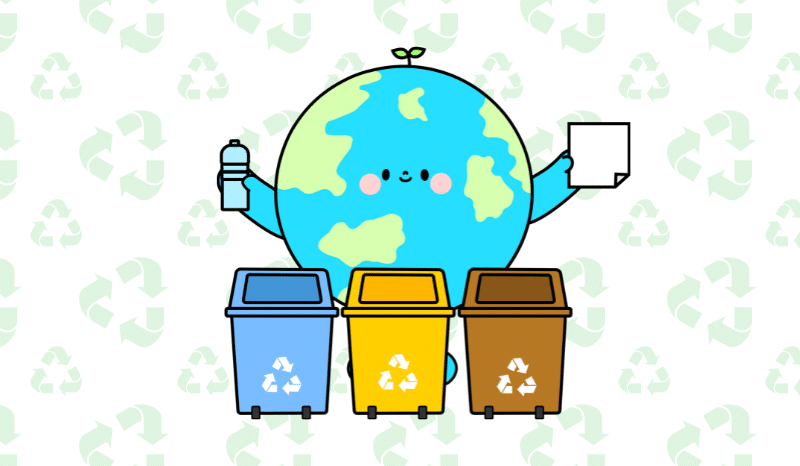
  1. Recycling and Waste Reduction: Cultivating sustainable domestic habits and combating the reliance on single-use plastics.
  2. Climate Change and Green Living: Mitigating extreme weather impacts through carbon footprint reductions and eco-friendly infrastructure.
  3. Food Waste and Consumer Habits: Evaluating Singapore’s consumer culture, buffet mindsets, and local surplus rescue initiatives.

Theme 1: Recycling and Waste Reduction

A. What This Theme Is About

Recycling and waste reduction represent the frontline of local civic responsibility. With Semakau Landfill rapidly running out of space, managing our solid waste generation has become an existential priority. Students frequently encounter these issues in daily life, from the presence of blue recycling bins in their neighborhoods to school-wide campaigns encouraging the reduction of single-use plastics.

B. Possible O-Level Oral Question Angles

  • How effective are current public campaigns in encouraging household recycling habits among Singaporeans?
  • Do you think imposing monetary charges on single-use plastic bags is a viable solution to curb environmental waste?
  • What are some key obstacles preventing young people from taking personal responsibility for waste reduction?
  • In what ways can a community move away from a “throwaway culture” toward a sustainable lifestyle?

C. 3 Useful Speaking Points for Recycling and Waste Reduction

Point 1: Legislative measures like plastic bag charges alter consumer psychology.

  • Explanation: Financial disincentives force individuals to break the habit of mindless consumption and opt for reusable alternatives instead.
  • Example: The mandatory container bag charge implemented across local supermarkets has successfully encouraged shoppers to bring their own canvas totes.
  • Balanced Perspective: However, policies alone cannot solve the crisis; structural changes must be paired with genuine inner environmental conviction to achieve long-term efficacy.

Point 2: Blue bin contamination highlights a severe lack of civic awareness.

  • Explanation: Many citizens treat domestic recycling bins as conventional rubbish chutes, tossing in food remnants that render recyclable items useless.
  • Example: High domestic contamination rates mean a massive percentage of collected items in Singapore cannot actually be processed, leading to incineration.
  • Balanced Perspective: While public education can bridge this knowledge gap, stricter enforcement or clearer bin design alterations may be necessary to correct bad habits.

Point 3: A “Zero-Waste” lifestyle requires systemic corporate cooperation, not just individual effort.

  • Explanation: Consumers are limited by options available on shelves; if manufacturing firms continue to utilize excessive plastic packaging, consumer efforts are bottlenecked.
  • Example: Local supermarkets wrapping individual items like fruit in multiple layers of styrofoam and plastic wrap leaves eco-conscious buyers with few alternatives.
  • Balanced Perspective: While grass-roots individual actions form the foundation, true progress occurs when legislation mandates strict corporate extended producer responsibility.

D. Useful Vocabulary and Phrases

  • Throwaway culture: A societal trend heavily reliant on disposable items and single-use products rather than durable, reusable goods.
  • Extended producer responsibility: A policy approach where manufacturers are held accountable for the post-consumer stage of their product lifecycles.
  • Domestic bin contamination: The accidental spoiling of recyclable items by mixing them with food waste or non-recyclable materials in public bins.
  • Existential priority: A crucial issue that directly threatens the survival, long-term stability, or well-being of a community.
  • Financial disincentives: Monetary penalties or extra fees applied to discourage undesirable behaviors, such as charging for plastic carriers.
  • Systemic corporate cooperation: Multi-tiered collaboration from businesses and industries to fundamentally change how packaging and waste are managed.

E. Sample Answer Starter

“From my perspective, achieving sustainable waste reduction requires a fundamental shift away from our current throwaway culture. While legislative disincentives like mandatory bag charges are excellent first steps, real progress relies on transforming civic consciousness regarding recycling…”
Theme 2: Climate Change and Green Living

A. What This Theme Is About

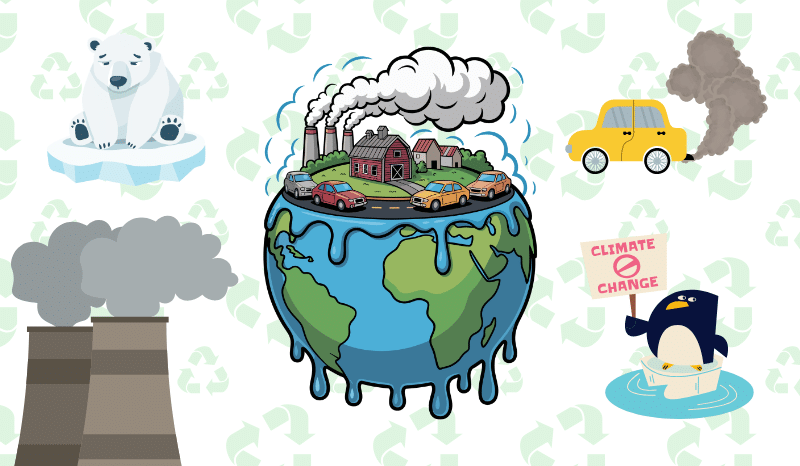
Climate change is no longer a distant threat; its impacts are felt right here on our tropical island through unseasonal flash floods, prolonged dry spells, and rising urban temperatures. “Green Living” involves personal and national transitions toward lowering carbon footprints—utilizing mass public transport systems, embracing renewable energy alternatives, and integrating energy-saving habits into everyday urban routines.

B. Possible O-Level Oral Question Angles

  • To what extent can individual actions, such as switching off air-conditioners, truly mitigate global climate change?
  • Do you agree that choosing public transport over private vehicles is the most impactful eco-friendly habit a resident can adopt?
  • How can schools inspire students to go beyond basic energy-saving routines to actively advocate for green living?
  • What role does Singapore’s urban design, such as eco-friendly architecture, play in combating rising city temperatures?

C. 3 Useful Speaking Points for Climate Change and Green Living

Point 1: Maximising public transit ridership radically slashes individual carbon footprints.

  • Explanation: Private vehicular transport contributes heavily to greenhouse gas emissions per capita; public trains and electric buses offer highly efficient alternatives.
  • Example: Singapore’s extensive MRT network allows commuters to traverse the island sustainably, reducing the reliance on private cars.
  • Balanced Perspective: Nonetheless, commuter convenience and public transport affordability must be maintained, otherwise individuals will naturally revert to private ride-sharing services.

Point 2: Small adjustments in domestic energy consumption yield massive collective impacts.

  • Explanation: Minor adjustments like setting air-conditioner temperatures to 25°C or turning off idling appliances reduce grid energy load over time.
  • Example: National public campaigns encouraging households to choose appliances with higher energy-efficient tick ratings have noticeably lowered residential emissions.
  • Balanced Perspective: While domestic micro-habits are useful, major industrial sectors and commercial hubs remain the heaviest polluters and require stricter oversight.

Point 3: Eco-friendly architecture creates climate-resilient urban spaces.

  • Explanation: Integrating nature directly into building design lowers ambient temperatures and reduces the heavy reliance on mechanical air-cooling systems.
  • Example: The Building and Construction Authority (BCA) Green Mark scheme incentivizes developers to build towers featuring vertical greenery and solar infrastructure.
  • Balanced Perspective: Although green architecture yields stellar long-term savings, the steep initial capital investment can deter budget-conscious firms without state support.

D. Useful Vocabulary and Phrases

  • Carbon footprint per capita: The total volume of greenhouse gases produced by an individual through daily consumption and transportation.
  • Eco-friendly architecture / Green design: Sustainable building practices that integrate natural cooling, vertical flora, and energy-efficient systems.
  • Climate-resilient urban spaces: Cities designed specifically to withstand environmental shocks, such as intense heatwaves or heavy stormwater surges.
  • Mechanical air-cooling dependencies: Relying heavily on energy-intensive air conditioning units rather than natural, passive architectural ventilation.
  • Greenhouse gas mitigation: Actions or policies intended to reduce the emissions of harmful gases that drive global temperature spikes.
  • Domestic micro-habits: Tiny, everyday personal choices—such as unplugging chargers—that collectively influence household resource consumption.

E. Sample Answer Starter

“I firmly believe that green living is no longer an optional lifestyle choice but a necessity for climate-resilient survival. While systemic changes in commercial energy production are critical, we cannot downplay the profound power of domestic micro-habits…”
Theme 3: Food Waste and Consumer Habits

A. What This Theme Is About

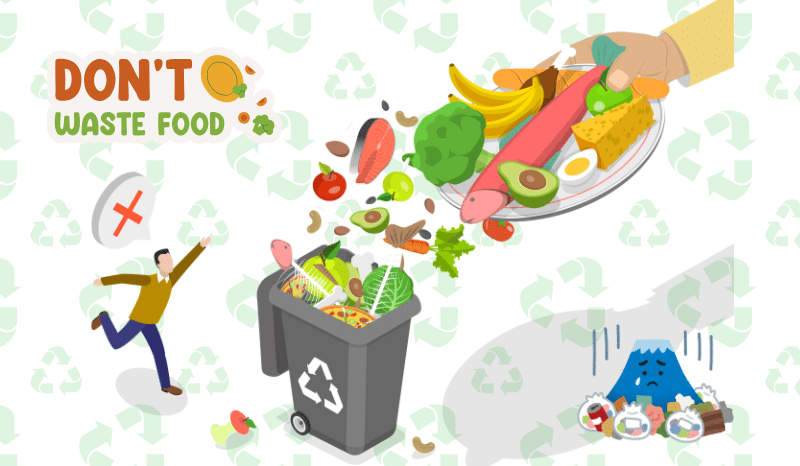
Singapore imports over 90% of its nutritional supply, making local food security highly vulnerable to external disruptions. Despite this vulnerability, food waste remains one of the largest waste streams generated locally. This theme examines how cultural indulgences like buffet mindsets, over-purchasing behavior, and cosmetic bias against flawed produce fuel a crisis that food rescue programs and school awareness campaigns are fighting to fix.

B. Possible O-Level Oral Question Angles

  • Why do you think consumer behaviors like “buying more than needed” are so deeply embedded in Singapore’s lifestyle culture?
  • How far can local food rescue organisations succeed in altering consumer attitudes toward imperfect or expiring grocery produce?
  • What are the most effective strategies schools can implement to minimize canteen leftovers among students?
  • Do you think commercial businesses, such as all-you-can-eat buffets, should face financial fines for excessive food disposal?

C. 3 Useful Speaking Points for Food Waste and Consumer Habits

Point 1: The local “buffet culture” encourages irresponsible consumption behavior.

  • Explanation: All-you-can-eat dining dynamics breed a mindset where people load up plates excessively just to maximise perceived monetary value.
  • Example: Canteen patrons and restaurant diners frequently abandon large portions of untouched food simply because they over-ordered during their meals.
  • Balanced Perspective: Implementing clear “wastage surcharges” can curb this gluttony, provided establishments enforce the penalties consistently.

Point 2: Food rescue efforts successfully redistribute surplus stock to vulnerable communities.

  • Explanation: Grassroots operations save perfectly edible but visually imperfect or near-expiry groceries, shifting them from landfills to dinner tables.
  • Example: Local non-profit organizations like SG Food Rescue collect surplus fruits and vegetables from wholesale centres and redistribute them to charities.
  • Balanced Perspective: While rescue initiatives offer brilliant stop-gap aid, the underlying root cause—over-importation and aesthetic perfectionism—remains unaddressed.

Point 3: School canteen campaigns build sustainable, lifelong nutritional habits.

  • Explanation: Educating young minds to purchase only what they can reasonably finish fosters meal-time discipline before bad consumer habits calcify.
  • Example: Institutional strategies like “Clean Plate Campaigns” reward secondary students for finishing their lunches completely without producing scrap waste.
  • Balanced Perspective: However, peer influence can sometimes undermine these efforts if students perceive leaving food behind as a status symbol or norm.

D. Useful Vocabulary and Phrases

  • Vulnerable nutritional supply chain: A food system heavily dependent on overseas imports, making it susceptible to global logistical bottlenecks.
  • Aesthetic perfectionism / Cosmetic bias: Rejecting fresh agricultural produce simply because it looks misshapen, bruised, or oddly sized.
  • Food rescue initiatives / Surplus redistribution: Organized efforts to salvage edible surplus food and redirect it to those facing economic hardships.
  • Wastage surcharges: Mandatory monetary penalties applied to restaurant diners who fail to consume the portions they selected.
  • Gluttonous consumer habits: Buying or consuming resources in excessive quantities driven by a desire to maximize personal value at the cost of waste.
  • Nutritional self-sufficiency / Food security: A nation’s capacity to consistently produce or safely source enough food to feed its populace independently.

E. Sample Answer Starter

“In my view, the sheer volume of food waste generated in our society exposes a glaring contradiction between our vulnerable import dependencies and our gluttonous consumer habits. True sustainability demands that we actively dismantle aesthetic perfectionism…”

How to Use These Ideas in Planned Response

When preparing for your Planned Response, avoid listing random points or vomiting out memorised phrases. The examiners are assessing your capacity for structural logic and structural control. Instead of rushing, use this Planned Response Framework to build a coherent argument:

  • State your view clearly: Open with a direct, unambiguous response to the video stimulus or prompt question.
  • Explain your first reason: Introduce your primary thematic argument, keeping the transition smooth.
  • Give a relevant example: Ground your point in a concrete scenario (e.g., school life in Singapore or local national policies).
  • Add a second perspective: Introduce a counter-argument or a balanced view to demonstrate critical maturity.
  • End with a thoughtful conclusion: Summarise your stance neatly without introducing entirely new concepts.

When preparing for Planned R

  • Suggested Wording: esponse, students should avoid listing random points. Instead, they should choose two strong ideas, explain them clearly and support them with examples.

How to Use These Ideas in Spoken Interaction

Unlike the static nature of a presentation, Spoken Interaction requires students to respond naturally and develop their answers fluidly based on the conversational flow. Treat this section as a dialogue with an intellectual peer, rather than a rigid interrogation.

To ensure your spontaneous answers maintain depth, implement this structural sequence:

  1. Answer the question directly: Show the examiner you have fully digested the specific angle of their query.
  2. Explain your view: Dive into the underlying reasons behind your initial stance.
  3. Give an example: Draw from personal experience, school life, or broader Singaporean society.
  4. Add a thoughtful comment or balanced view: Wrap up by looking at the bigger picture.
  5. Example: If the examiner asks whether social media is harmful, students should avoid giving a one-sided answer. A stronger response would explain both the benefits and risks before giving a personal opinion.

Common Mistakes Students Make for This Topic

  1. Giving very general answers: Avoid broad, sweeping statements like “The environment is dirty and we must save trees.” Use specific terms like throwaway culture, extended producer responsibility, or climate-resilient urban spaces to add academic weight.
  2. Repeating the same idea in different words: Repeating a point does not make it stronger. If you have run out of points, move to a balanced counter-perspective to expand your response logically.
  3. Using examples that are not relevant: Citing a random viral video that has no direct connection to the underlying question shows a lack of analytical focus.
  4. Giving one-sided opinions: Presenting environmental issues as simple, easily fixed problems indicates a superficial understanding of modern societal issues.
  5. Using casual language that sounds too informal: Phrases like “Yeah, it’s super bad, like, climate change is real, you know?” will penalise your language score. Aim for formal discourse markers such as “Furthermore,” “Conversely,” and “This illustrates that…”
  6. Memorising fixed answers instead of adapting ideas: Examiners can tell instantly when a student is reciting a script. Use your points as flexible building blocks, not rigid monologues.

Mini Practice Section

Planned Response Practice Prompts

  1. “Imposing fines is the only effective method to force Singaporeans to adopt eco-friendly habits.” To what extent do you agree with this statement?
  2. With reference to household recycling, discuss whether you feel individual families or large corporate manufacturing firms bear the greatest responsibility for environmental waste.
  3. Look at an image of a crowded food court table laden with half-eaten meals. Share your thoughts on how local consumer culture contributes to the national food waste problem.

Spoken Interaction Practice Questions

  1. Some people believe that choosing public transport over private cars is an inconvenience. What are your views on how we can encourage a car-lite society in Singapore?
  2. Do you think that schools should make environmental volunteerism mandatory for graduation to cultivate socially responsible citizens? Why or why not?

Student Self-Checklist

Before completing your practice session, review your performance with this quick checklist:
  • Did I answer the prompt question directly in my opening sentence?
  • Did I explain my points clearly using high-level vocabulary rather than generic terms?
  • Did I include a relevant example from Singapore context or personal student experiences?
  • Did I offer a balanced, multi-dimensional view to demonstrate critical maturity?
  • Did I sound natural, composed, and thoughtful throughout my delivery?

Join us at WRITERS AT WORK

Building strong O-Level Oral answers takes more than memorising model responses. At WRITERS AT WORK, students learn how to organise their ideas, develop relevant examples and express their opinions with clarity. Our English programmes help students strengthen their speaking, writing and overall communication skills for exam readiness and beyond.

To give your child a head start in their preparation, explore our comprehensive resource on Past Years O-Level Oral Questions or review current trends in our up-to-date O-Level Oral Topics: A 2025 Guide.

By engaging with our structured “Thinking Frameworks,” students gain the linguistic precision and analytical confidence needed to excel across all components of the secondary syllabus. Learn how these skills impact their academic journey by reading our guide on Mastering the O-Level: Understanding Scores and Choosing the Right Path. Turn your potential into a distinction-grade performance by visiting our nearest enrichment branch today!

Frequently Asked Questions (FAQs)

Q1: Will environmental sustainability definitely come up as the main topic for my O-Level Oral exam?

While no one can guarantee exactly what topics the Ministry of Education (MOE) will select, sustainability and public responsibility are highly recurring themes. Because these issues directly intersect with daily civic life, infrastructure policies, and education in Singapore, mastering this topic cluster gives you a highly versatile bank of arguments that can be adapted to many different prompts.

Q2: Is it better to argue completely against consumer waste to sound more passionate?

It is almost always better to offer a balanced perspective rather than an emotional, one-sided argument. The O-Level oral examination rewards critical thinking and intellectual maturity. A distinction-grade response will voice clear concern about issues like food waste or throwaway culture while thoughtfully evaluating the practical challenges people face, such as structural corporate packaging limitations or the financial constraints of eco-friendly lifestyles.

Q3: What should I do if the examiner asks a technical question about a green policy I am completely unfamiliar with?

Do not panic, and avoid giving a silent or rushed response. You can elegantly pivot the conversation to broader, related environmental concepts that you do know. Use strategic phrases like, “While I am not personally familiar with the exact parameters of that specific green initiative, it reminds me of how national measures like public transport infrastructure expansions help slash our carbon footprint per capita…” This keeps your answer fluid and maintains your score for structural control.

Q4: How can I naturally upgrade my vocabulary during the Spoken Interaction section without sounding robotic?

The key is to replace generic filler words with precise topic-specific phrases. Instead of saying, “People leave a lot of trash in the recycling bin,” upgrade your phrasing to, “Domestic bin contamination remains a severe obstacle because citizens accidentally spoil clean materials with organic food waste.” Practising these key terms in your weekly English writing class for secondary school ensures they roll off your tongue naturally during the actual exam.

Jemmies Siew
Article Written By

Jemmies Siew

Jemmies Siew, Managing Director and Co-Founder of WRITERS AT WORK Enrichment Centre. With over 15 years of experience in education, entrepreneurship, and marketing, Jemmies has helped shape Singapore’s English enrichment landscape through her vision for transformative learning.

She is passionate about connecting real-world issues with language learning, helping students think critically and express themselves clearly. Connect with her on LinkedIn to follow her insights on education, content marketing, and thought leadership.

Share

2026 Registration
W@W-LOGO-WRITERS-AT-WORK
Primary 4 model compositions

Unlock Our Free Resources Today

Start practising and learning
