W@W Blog

O-Level Oral Tips: Public Behaviour & Singapore Society

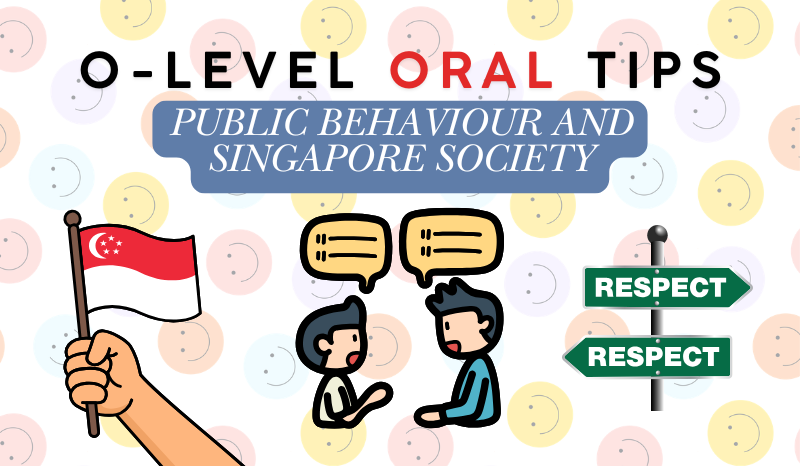
Conversation between two people discussing civic-mindedness, public transport etiquette, and social courtesy in Singapore.

Introduction: Why This Topic Matters for O-Level Oral

In the modern educational landscape, themes surrounding civic consciousness and public decorum are increasingly prominent. During the oral communication examination, students are frequently required to respond to real-life issues, everyday situations, social trends, or personal experiences. Because public transport etiquette, environmental cleanliness, and shared community spaces directly reflect the maturity of Singapore society, understanding how to discuss these concepts with nuance is critical.

While no one can predict exactly which prompts will appear in the national examinations, mastering this topic cluster equips you with versatile arguments that can be adapted to a wide array of questions about active citizenship, civic-mindedness, and our collective responsibility in a highly urbanised city-state.

Quick Overview: The 3 Themes Covered in This Blog

To give you a structured road map for your revision, this guide breaks down the public behaviour and societal norms domain into three highly integrated themes:

  1. Public Transport Etiquette: Navigating commuter friction, noise pollution, and the culture of giving up seats on crowded trains.
  2. Cleanliness and Shared Spaces: Evaluating our civic-mindedness through habits like tray return, littering mitigation, and public facility maintenance.
  3. Rules, Responsibility and Social Courtesy: Assessing why civic regulations matter and how personal discipline bridges the gap between enforcement and empathy.

Theme 1: Public Transport Etiquette

A. What This Theme Is About

Public transport is the absolute equaliser in Singapore, serving millions of commuters daily. Because trains and buses are confined, high-density environments, they act as micro-societies where individual behaviours instantly amplify. This theme moves beyond simply saying “be polite.” It examines how commuter friction—such as blaring smartphone audio or blocking train doors—impacts societal harmony, and explores the development of an authentic, unprompted culture of care.

B. Possible O-Level Oral Question Angles

  • Do you think public transport campaigns are genuinely effective in transforming long-term commuter etiquette among Singaporeans?
  • What are the primary factors that cause commuters to hesitate when giving up their seats to those in greater physical need?
  • To what extent has the widespread use of personal smartphones eroded social courtesy on public transport networks?
  • How can public transport operators better design transit spaces to naturally encourage more considerate commuting habits?

C. 3 Useful Speaking Points for Public Transport Etiquette

Point 1: High-density transit systems require heightened situational awareness to function smoothly.

  • Explanation: When individuals fail to pay attention to their immediate surroundings, they inadvertently cause physical bottlenecks and unnecessary commuter friction.
  • Example: Commuters who rush onto trains before exiting passengers can step off create chaotic gridlocks at train doors during peak rush hours.
  • Balanced Perspective: While infrastructural features like painted queuing lines help guide commuter movement, true efficiency ultimately relies on spontaneous civic consideration.

Point 2: Digital self-absorption directly erodes real-world situational empathy.

  • Explanation: The habit of watching videos or playing games without earphones causes auditory pollution, effectively invading the shared cognitive space of fellow passengers.
  • Example: A commuter completely engrossed in their smartphone screen may genuinely fail to notice a pregnant woman or an elderly resident standing directly in front of them.
  • Balanced Perspective: Technology is not inherently negative; mobile devices can be powerful tools for positive campaigns if used to broadcast real-time kindness stories.

Point 3: Cultivating a gracious commuting culture relies on eliminating the “bystander effect.”

  • Explanation: Many youths avoid offering their seats or speaking up against inconsiderate behavior because they fear social awkwardness or assume someone else will step forward.
  • Example: An entire train cabin might remain silent when a commuter plays loud music, with everyone waiting for an authority figure to intervene rather than gently addressing the issue.
  • Balanced Perspective: Overcoming this barrier requires empowering individuals to understand that small, polite interventions are essential components of active citizenship.

D. Useful Vocabulary and Phrases

  • High-density transit systems: Public transport networks that carry massive volumes of passengers within tightly confined urban spaces.
  • Situational awareness: The continuous, active habit of paying attention to one’s surroundings and the needs of people nearby.
  • Auditory pollution / Commuter friction: Disruptive noise or actions that cause tension, discomfort, and irritation among passengers in a shared environment.
  • Digital self-absorption: A state of being so intensely focused on one’s personal electronic screen that the real-world environment is completely ignored.
  • Bystander effect: A psychological phenomenon where individuals fail to offer help or intervene because they expect others around them to do so instead.
  • Spontaneous civic consideration: Natural, unforced acts of kindness and courtesy performed out of genuine care for the community rather than fear of rules.

E. Sample Answer Starter

“From my perspective, improving public transport etiquette requires us to address the root cause of digital self-absorption. While transit campaigns provide useful structural guidelines, real courtesy occurs when commuters maintain situational awareness and actively conquer the bystander effect…”
Theme 2: Cleanliness and Shared Spaces

A. What This Theme Is About

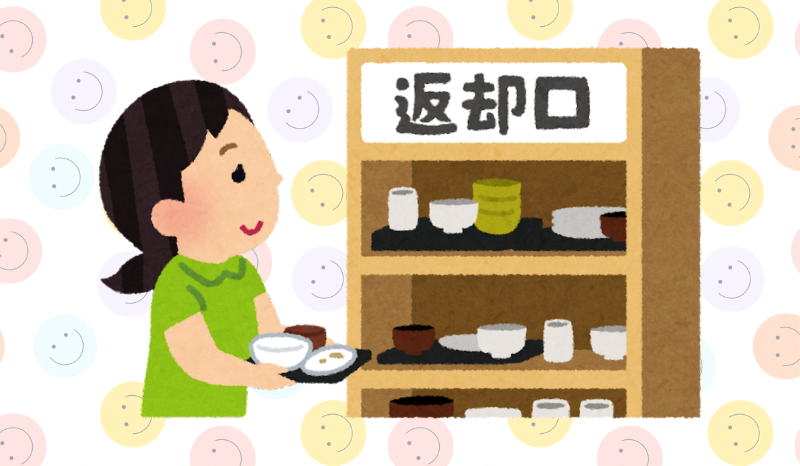
Singapore has a global reputation for being a pristine garden city, yet there is a critical distinction between being a “cleaned city” and a “clean city.” This theme focuses on our collective civic-mindedness within shared community infrastructure—including hawker centres, public toilets, and neighborhood estates. It evaluates how habits like table clearing, tray return, and litter reduction represent our true level of social maturity.

B. Possible O-Level Oral Question Angles

  • Do you agree that Singapore is a “cleaned city” rather than a genuinely “clean city” due to our heavy reliance on conservancy workers?
  • How far has the introduction of mandatory tray return legislations succeeded in changing the internal mindset of local diners?
  • What are the most effective strategies schools can implement to instil lifelong habits of public cleanliness in the younger generation?
  • Why do public facilities, such as community restrooms, often suffer from a severe lack of personal responsibility among users?

C. 3 Useful Speaking Points for Cleanliness and Shared Spaces

Point 1: Reliance on an invisible workforce can lead to civic complacency.

  • Explanation: Knowing that a dedicated team of cleaners will consistently sweep up debris can cause citizens to outsource their personal responsibility, assuming littering carries no consequences.
  • Example: Patrons leaving tissue paper, food debris, and spilled drinks on hawker tables expect cleaners to manage the mess immediately.
  • Balanced Perspective: While professional conservancy teams are essential to manage urban waste scales, their presence must never become an excuse for individual sloppiness.

Point 2: Mandated civic rules must eventually transition into organic social habits to be sustainable.

  • Explanation: Relying strictly on monetary fines or enforcement officers to maintain cleanliness only modifies behavior when an authority figure is physically present.
  • Example: The statutory implementation of mandatory tray return schemes has forced compliance, yet some diners still leave tables untidy if they feel unobserved.
  • Balanced Perspective: Legal frameworks are necessary to set clear initial boundaries, but true success is achieved when public cleanliness becomes an internalised cultural expectation.

Point 3: Cleanliness habits must be anchored through hands-on institutional practices early in life.

  • Explanation: Mere theoretical lectures on civic-mindedness do not stick; students must actively participate in the physical upkeep of their shared school environment to build authentic empathy.
  • Example: Mandatory classroom cleaning routines or school canteen tidying duties teach young students to value the physical labour required to maintain common facilities.
  • Balanced Perspective: Institutional training inside schools must be reinforced by consistent parental modeling at home, otherwise a disconnect forms in the child’s mind.

D. Useful Vocabulary and Phrases

  • Civic complacency: A lazy, irresponsible state of mind where citizens stop taking personal care of public spaces because they assume others will do it.
  • Internalised cultural expectation: A deeply embedded social norm where individuals act responsibly because they believe it is morally correct, not because they are hiding from fines.
  • Conservancy workers: Professional cleaning staff employed to maintain the hygiene, order, and waste management of public estates and food centres.
  • Statutory implementation: The formal, legal enforcement of regulations or laws by governing bodies to ensure public compliance.
  • Hands-on institutional practices: Practical, mandatory activities organised by schools or organisations to teach life skills through direct experience.
  • Outsourcing personal responsibility: Shirking one’s own civic duties by expecting cleaners, technology, or the state to fix a mess one created.

E. Sample Answer Starter

“In my view, transitioning from a ‘cleaned city’ to a genuinely ‘clean city’ demands that we dismantle our current civic complacency. Mandatory legislations like tray return policies are brilliant catalysts, but long-term sustainability rests on cultivating an internalised cultural expectation…”
Theme 3: Rules, Responsibility and Social Courtesy

A. What This Theme Is About

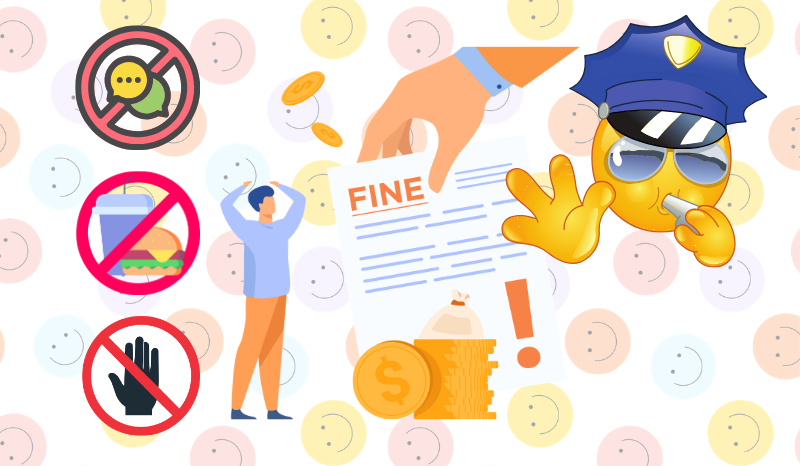
Singapore is famous for its strict regulatory frameworks, often colloquially called a “fine city.” However, laws cannot cover every single human interaction. This theme explores the deeper philosophy of social courtesy—examining why rules matter for public safety, why personal discipline is the real engine of a gracious society, and how true consideration means adjusting our actions out of respect for others, even when no one is watching.

B. Possible O-Level Oral Question Angles

  • To what extent is it true that Singaporeans only behave considerately in public spaces when there is a threat of legal punishment?
  • Why is personal discipline considered the foundational bridge between statutory rules and genuine social courtesy?
  • How can a society balance individual personal freedom with the collective responsibility required for public harmony?
  • What role can digital social media platforms play in either improving or worsening public standards of social decorum?

C. 3 Useful Speaking Points for Rules, Responsibility and Social Courtesy

Point 1: Explicit rules establish a safe baseline, but courtesy elevates the overall quality of civic life.

  • Explanation: While criminal laws prevent major chaos and dangerous disruptions, it is unwritten social courtesy that makes daily interactions in a crowded city pleasant.
  • Example: No legal regulation forces a person to hold an elevator door open for someone carrying heavy parcels, yet this tiny act of consideration reduces urban isolation.
  • Balanced Perspective: Regulations are absolutely vital to control egregious offenses, but a hyper-reliance on laws can create a rigid society that lacks organic warmth.

Point 2: Personal discipline ensures the consistent protection of shared common goods.

  • Explanation: Acting with integrity when unobserved means recognising that public property and peace are valuable assets belonging equally to every citizen.
  • Example: Lowering the volume of conversations or music when returning home late at night prevents disturbing neighbors, demonstrating high individual maturity.
  • Balanced Perspective: Maintaining this level of self-control requires constant self-reflection, which can sometimes be overridden by personal convenience or fatigue.

Point 3: Online public shaming often hinders the authentic growth of social courtesy.

  • Explanation: Recording video clips of minor public etiquette blunders to post on social media confession pages breeds fear and defensiveness rather than real civic awareness.
  • Example: Citizen journalists capturing an image of someone forgetting to return a tray triggers online harassment, which isolates individuals instead of educating the public.
  • Balanced Perspective: While digital exposure can act as a modern deterrent against toxic behaviors, face-to-face communication remains a far more dignified way to resolve social friction.

D. Useful Vocabulary and Phrases

  • Egregious offenses: Shockingly bad or extremely offensive public acts that directly violate the peace, safety, or legal boundaries of a community.
  • Shared common goods: Public spaces, facilities, and environments that are owned collectively by the community and meant for everyone’s benefit.
  • Online public shaming: The modern practice of exposing an individual’s mistakes or bad behavior on digital platforms to invite viral criticism.
  • Social decorum / Decent standards: The accepted, polite standards of behavior, appearance, and speech required to maintain harmony in a civilised society.
  • Hyper-reliance on laws: Depending far too much on explicit legal punishments to manage human interactions, which can choke organic empathy.
  • Active citizenship: Individuals taking personal responsibility and performing proactive deeds to contribute positively to their society’s growth.

E. Sample Answer Starter

“I firmly believe that personal discipline is the definitive bridge that links rigid statutory rules to authentic social courtesy. A mature society cannot depend solely on policing; true consideration means choosing mutual respect even when no penalties exist…”

How to Use These Ideas in Planned Response

When preparing for your Planned Response, avoid listing random points or vomiting out memorised phrases. The examiners are assessing your capacity for structural logic and structural control. Instead of rushing, use this Planned Response Framework to build a coherent argument:

  • State your view clearly: Open with a direct, unambiguous response to the video stimulus or prompt question.
  • Explain your first reason: Introduce your primary thematic argument, keeping the transition smooth.
  • Give a relevant example: Ground your point in a concrete scenario (e.g., school life in Singapore or local national policies).
  • Add a second perspective: Introduce a counter-argument or a balanced view to demonstrate critical maturity.
  • End with a thoughtful conclusion: Summarise your stance neatly without introducing entirely new concepts.
  • Suggested Wording: When preparing for Planned Response, students should avoid listing random points. Instead, they should choose two strong ideas, explain them clearly and support them with examples.

How to Use These Ideas in Spoken Interaction

Unlike the static nature of a presentation, Spoken Interaction requires students to respond naturally and develop their answers fluidly based on the conversational flow. Treat this section as a dialogue with an intellectual peer, rather than a rigid interrogation.

To ensure your spontaneous answers maintain depth, implement this structural sequence:

  1. Answer the question directly: Show the examiner you have fully digested the specific angle of their query.
  2. Explain your view: Dive into the underlying reasons behind your initial stance.
  3. Give an example: Draw from personal experience, school life, or broader Singaporean society.
  4. Add a thoughtful comment or balanced view: Wrap up by looking at the bigger picture.
  5. Example: If the examiner asks whether social media is harmful, students should avoid giving a one-sided answer. A stronger response would explain both the benefits and risks before giving a personal opinion.

Common Mistakes Students Make for This Topic

  1. Giving very general answers: Avoid broad, sweeping statements like “People must be polite and keep Singapore clean.” Use specific terms like situational awareness, civic complacency, or shared common goods to add academic weight.
  2. Repeating the same idea in different words: Repeating a point does not make it stronger. If you have run out of points, move to a balanced counter-perspective to expand your response logically.
  3. Using examples that are not relevant: Citing a random personal grievance about an untidy space that has no direct connection to the underlying structural question shows a lack of analytical focus.
  4. Giving one-sided opinions: Presenting civic issues as simple matters of “good vs. bad” without acknowledging hidden urban pressures or structural challenges shows a superficial understanding of community dynamics.
  5. Using casual language that sounds too informal: Phrases like “Yeah, it’s super annoying when people blast their phones, like, what the heck?” will penalise your language score. Aim for formal discourse markers such as “Furthermore,” “Conversely,” and “This illustrates that…”
  6. Memorising fixed answers instead of adapting ideas: Examiners can tell instantly when a student is reciting a script. Use your points as flexible building blocks, not rigid monologues.

Mini Practice Section

Planned Response Practice Prompts

  1. “The introduction of monetary fines is the only reliable method to guarantee civic-minded behaviour among urban citizens.” To what extent do you agree with this statement?
  2. With reference to common shared areas, discuss whether individual resident responsibility or strict estate management regulations exert a greater impact on community hygiene.
  3. Look at an image of an empty public train carriage where trash has been left behind on the passenger seats. Share your thoughts on what this reveals about modern civic consciousness.

Spoken Interaction Practice Questions

  1. Some people believe that digital social media networks have made young people far too self-absorbed to notice real-world public needs. What are your views on this issue?
  2. Do you think that secondary schools should implement compulsory community cleaning sessions around local public housing estates to foster authentic social responsibility? Why or why not?

Student Self-Checklist

Before completing your practice session, review your performance with this quick checklist:
  • Did I answer the prompt question directly in my opening sentence?
  • Did I explain my points clearly using high-level vocabulary rather than generic terms?
  • Did I include a relevant example from Singapore context or personal student experiences?
  • Did I offer a balanced, multi-dimensional view to demonstrate critical maturity?
  • Did I sound natural, composed, and thoughtful throughout my delivery?

Speak Well with WRITERS AT WORK

Building strong O-Level Oral answers takes more than memorising model responses. At WRITERS AT WORK, students learn how to organise their ideas, develop relevant examples and express their opinions with clarity. Our English programmes help students strengthen their speaking, writing and overall communication skills for exam readiness and beyond.

To give your child a head start in their preparation, it is helpful to look at how these oral themes build up alongside contemporary global trends and historical benchmarks; you can explore our analysis of past trends in our breakdown of the 2023 O-Level Oral Question or discover how modern critical thinking extends into digital spaces by reading our guide on Media Literacy for Secondary School Students.

By engaging with our structured “Thinking Frameworks,” students gain the linguistic precision and analytical confidence needed to excel across all components of the secondary syllabus. Navigating these demanding exam components early is critical for a smooth transition from primary school achievements to secondary milestones. You can learn how to bridge these academic levels effectively by exploring our guide on Mastering the O-Level Paper: PSLE Smart Study Strategies for Success. Turn your potential into a distinction-grade performance by visiting our nearest enrichment branch today!

Frequently Asked Questions (FAQs)

Q1: Will public behaviour and Singapore society topics definitely come up as the main focus for my O-Level Oral exam?

While no one can guarantee exactly what topics the Ministry of Education (MOE) will select, public etiquette and civic responsibility are highly recurring themes. Because these issues directly intersect with daily commuter patterns, national campaign adjustments, and shared spaces in Singapore, mastering this topic cluster gives you a highly versatile bank of arguments that can be adapted to many different prompts.

Q2: Is it better to argue completely in favor of strict monetary fines to sound like a disciplined student?

It is almost always better to offer a balanced perspective rather than an emotional, one-sided argument. The O-Level oral examination rewards critical thinking and intellectual maturity. A distinction-grade response will voice clear support for regulatory frameworks that keep public facilities safe and clean, while thoughtfully evaluating the limitations of a fear-based compliance system compared to an internalised cultural expectation.

Q3: What should I do if the examiner asks a specific question about an anti-littering initiative or policy I am completely unfamiliar with?

Do not panic, and avoid giving a silent or rushed response. You can elegantly pivot the conversation to broader, related social responsibility concepts that you do know. Use strategic phrases like, “While I am not personally familiar with the exact parameters of that specific public scheme, it reminds me of how vital it is for communities to move past basic legal compliance and focus on building genuine situational awareness…” This keeps your answer fluid and maintains your score for structural control.

Q4: How can I naturally upgrade my vocabulary during the Spoken Interaction section without sounding robotic?

The key is to replace generic filler words with precise topic-specific phrases. Instead of saying, “People leave mess because they think the cleaner will do it,” upgrade your phrasing to, “Relying completely on an invisible workforce can lead to civic complacency and cause citizens to outsource their personal responsibility.” Practising these key terms in your weekly English classes ensures they roll off your tongue naturally during the actual exam.

Jemmies Siew
Article Written By

Jemmies Siew

Jemmies Siew, Managing Director and Co-Founder of WRITERS AT WORK Enrichment Centre. With over 15 years of experience in education, entrepreneurship, and marketing, Jemmies has helped shape Singapore’s English enrichment landscape through her vision for transformative learning.

She is passionate about connecting real-world issues with language learning, helping students think critically and express themselves clearly. Connect with her on LinkedIn to follow her insights on education, content marketing, and thought leadership.

Share

2026 Registration
W@W-LOGO-WRITERS-AT-WORK
Primary 4 model compositions

Unlock Our Free Resources Today

Start practising and learning
