Great speeches do not simply share information. They capture attention, build momentum, and leave listeners with something memorable to think about. The same principle applies to O-Level Speech Situational Writing. In this guide, you will learn how to craft a speech that sounds confident, engaging, and persuasive, while meeting all the requirements of the examination format.
If you lose your audience in the first thirty seconds, it is very hard to win them back. You must grab their attention from the start.
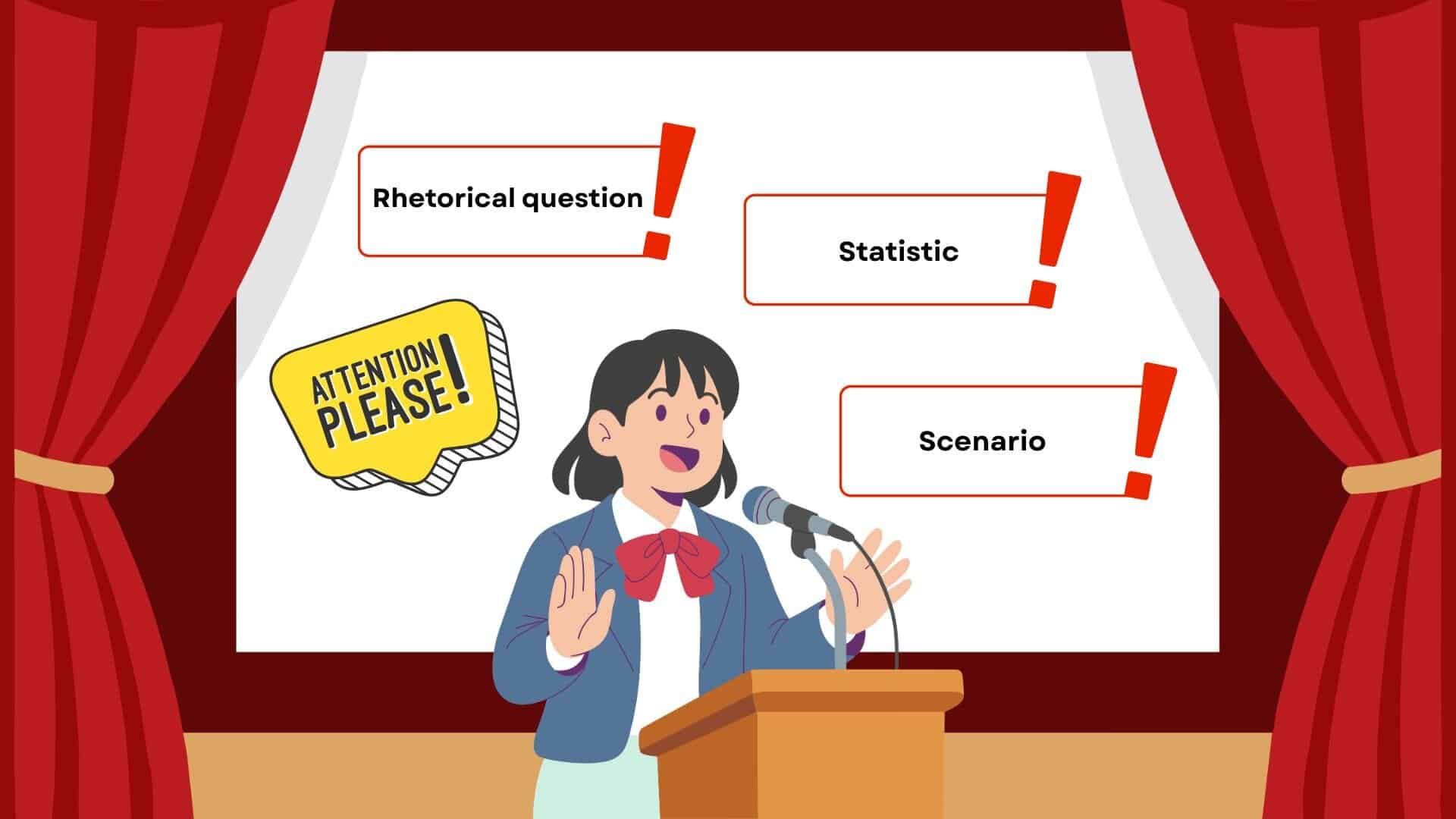
Once you have their attention, state your objective clearly so the audience knows why you are standing on the stage.
The body of your speech is where you address the content points from the exam question.
Never bundle multiple content points into a single paragraph. Dedicate one clear and well-developed paragraph to each requirement in the prompt. This keeps your structure clean, makes your speech easy to follow, and ensures you do not accidentally skip a point, which would cost you Task Fulfillment marks.
Each paragraph should begin with a clear topic sentence that tells the audience what you are about to discuss, followed by your reasoning, a specific example or evidence, and a brief explanation of why it matters.
In a standard essay, you use formal connectors like “Furthermore”, “In addition”, and “Consequently.” You may still use this in a speech, but they can sound slightly stiff when read aloud. Try these phrases instead:
Strong speech writing uses rhetorical devices to make key points more memorable and persuasive. Here are three that work particularly well at O-Level:
1. The Rule of Three
Our brains love patterns, and things that come in groups of three are naturally more satisfying, rhythmic, and easy to remember. When you list three items, adjectives, or short phrases together, your message instantly hits harder.
Example: “To make this project succeed, we do not need extra funding. We just need your time, your energy, and your passion.”
2. Rhetorical Questions
We already looked at using a rhetorical question to kickstart your speech, but you can also sprinkle them inside your body paragraphs! Instead of constantly lecturing the room, dropping a well-timed question forces the examiner to pause and think about the point you just made.
Example: “If we do not step up to protect our school environment today, who will?”
3. Inclusive Language
Instead of talking at your audience, a great speech talks with them. Using inclusive language draws the listeners into your speech and makes them feel personally involved. By swapping out distant words like “the students” for inclusive words like “we”, “us”, and “our”, you instantly create a sense of team spirit and shared responsibility.
Example: “This is not just my problem, and it is not just your problem. This is our problem, and only we can fix it.”
You should end with a punchy conclusion that leaves a lasting impression on the examiner.
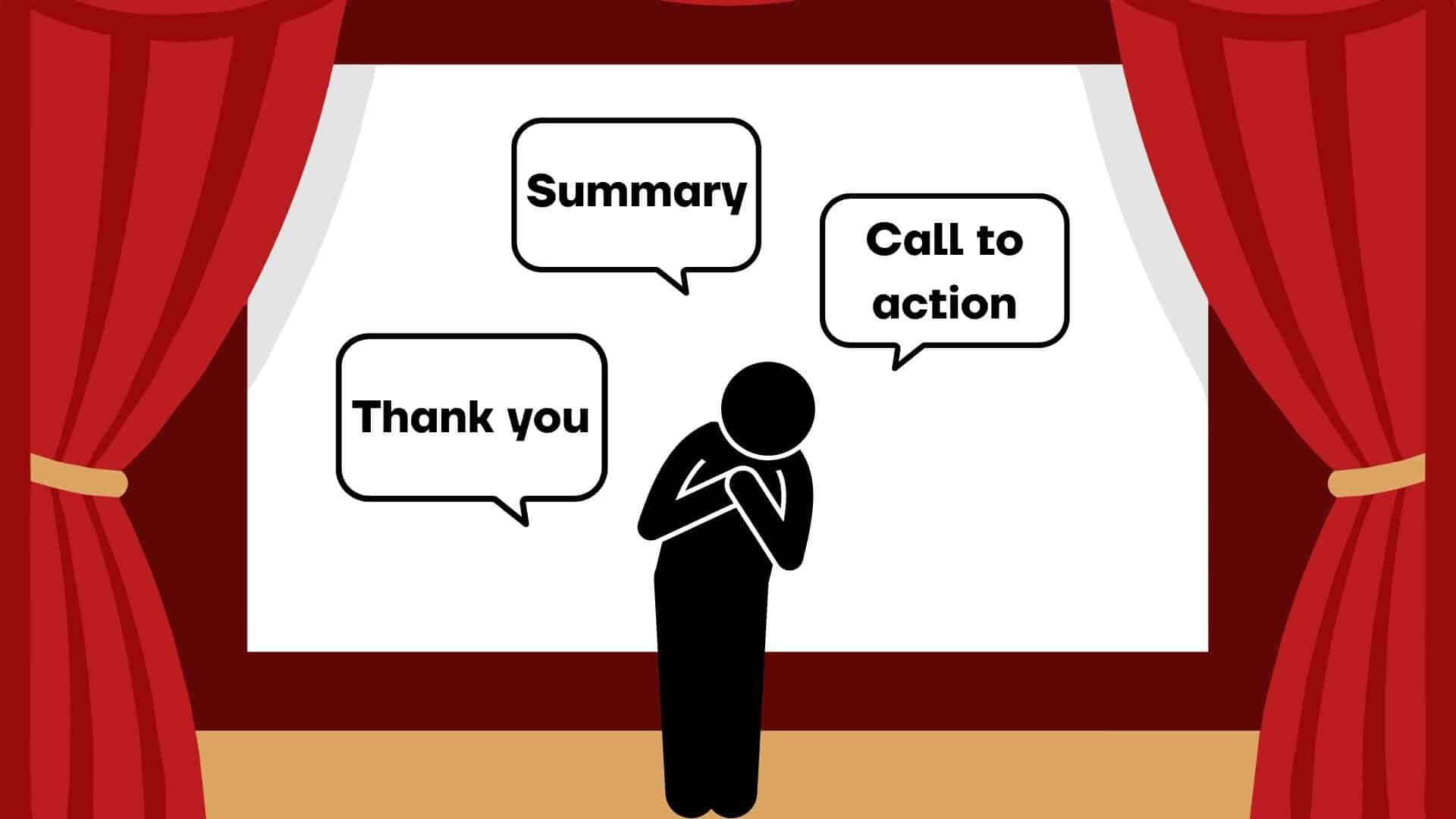
Before your call to action, briefly bring together the main thread of your speech in one or two sentences. You do not need to repeat every point in detail. You just need to remind the audience of the central message you want them to carry with them.
End your speech by giving your audience something to do, think, or feel after you step off the stage. A strong call to action is specific, inspiring, and directly connected to the topic.
Always wrap up your script with a polite sign-off line:
“Thank you for your time and kind attention.”
Before your exam, keep this visual map in your mind to make sure your layout looks exactly like a speech on your paper:
[OPEN STRONG]
[DEVELOP YOUR ARGUMENT]
[LAND WITH IMPACT]
You now have the structure, the language tools, and the conventions you need to write a speech that stands out.
The next step is simple. Put it into practice.
At WRITERS AT WORK, we help Secondary students master every component of O Level English, including Situational Writing, through structured lessons and personalised feedback from experienced teachers. Whether you are still building the basics or putting the finishing touches on your exam preparation, our programme gives you the tools, the practice, and the guidance to walk into the exam feeling genuinely ready.
We have 8 convenient locations across Singapore. Find the centre nearest to you and get in touch with us today. We would love to have you join us.

For the O-Level English Paper 1 (Situational Writing), the exam paper will state a guiding word count of 250 to 350 words. If you write too little (under 200 words), you likely haven’t explained your points enough. If you write too much (over 450 words), your speech might start sounding like a winding essay and lose its punchy rhythm.
“Yours sincerely” and “Yours faithfully” are sign-offs used in formal letters and emails, not speeches. A speech closes with a thank you line such as “Thank you for your time and kind attention.” Using a letter sign-off at the end of a speech is a formatting error that signals to the examiner that you have confused the two forms.
Light humour can work well in a speech, particularly when the tone is warm and the audience is peers or fellow students.
Speech writing is one of the most commonly tested formats in O-Level Situational Writing alongside emails, reports, and letters. It appears regularly enough that every Secondary 4 student should be comfortable with the conventions before sitting the paper.

Agnes Ng, Co-Founder and Teaching & Curriculum Director of WRITERS AT WORK. An NUS Honours graduate and published author with over 30 years of experience, Agnes has been the architect of the organization’s student-centric curricula since 2012.
Dedicated to teacher mentorship and academic excellence, she has guided hundreds of students to achieve outstanding results. Her expertise and commitment to high-quality education remain the cornerstone of WRITERS AT WORK’s success in empowering every learner.



Start practising and learning

