You have studied. You know what you want to say. However, the moment you sit down in front of the examiner for the Oral exam, your words come out faster than usual, softer than you meant, or flatter than you like.
Don’t worry, we are here to help! This guide breaks down the five vocal skills that make the biggest difference in PSLE Oral and shows you exactly how to work on each one at home.
Many students focus almost entirely on what they are going to say in PSLE Oral and give very little thought to how they are going to say it. The how matters enormously, and it is being assessed from the moment you begin reading the passage.
In the Reading Aloud component, the examiner is checking whether your reading sounds natural, clear, and expressive. Do you read like you understand what the passage means? Do you pause at the right places? Does your voice match the feeling of the text?
In the Stimulus-Based Conversation, your voice also plays a big role. A student who speaks at a steady pace and sounds clear and engaged comes across as confident, even if their answer is not perfect. A student who mumbles or speaks too fast can make even a great answer hard to follow.
The four skills below will help you with both components.
The problem: Most students speak too fast when they are nervous. Their natural instinct is to rush through their response as quickly as possible just to get the exam over and done with. As a result, the examiner struggles to follow what they are saying.
The solution: Slow down to the point where each sentence is easy to follow. A simple rule that works for Reading Aloud is to pause at every punctuation mark. When you see a comma, take a short breath. When you see a full stop, pause for a beat before moving on. For SBC, use your PEEL structure as your guideline. When you finish your Point, take a deep breath before you start your Example, and so on. You can also use transitional phrases such as “For example” and “Therefore” to slow down.
Knowing what to say is only half the battle. Knowing how to organise your thoughts is what separates a good score from a great score.
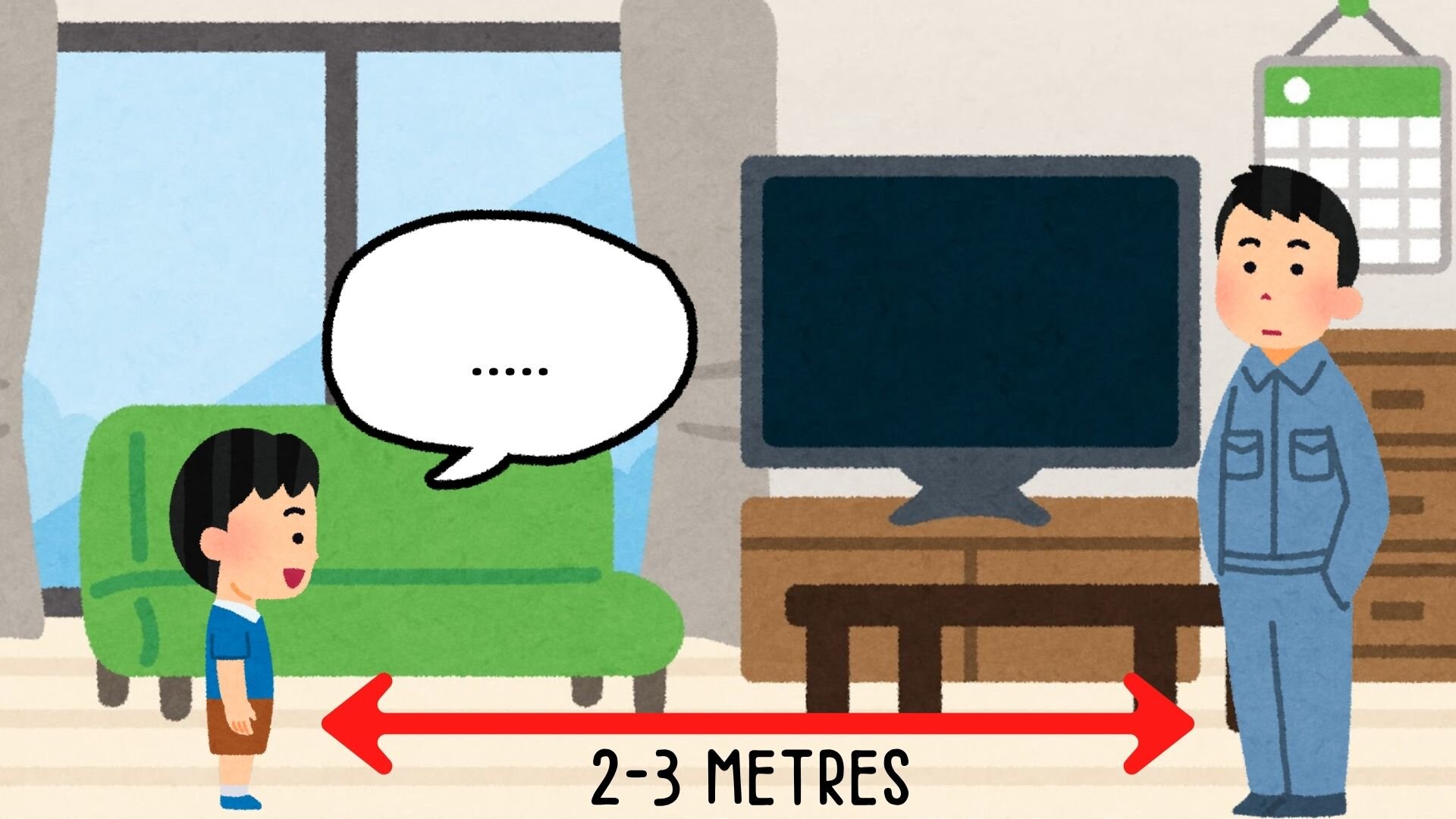
The problem: When students feel nervous, their voice gets smaller. They start speaking softly without even realising it, forcing the examiner to lean forward and strain to hear them. Speaking too softly is a trap because it makes you seem unconfident, even when you are sharing a brilliant, high-scoring point!
The solution: Project your voice. This does not mean shouting or yelling, which sounds aggressive. Instead, lift your chin up, look at the examiner, and aim your words at the wall right behind their head.
Try this at home: Ask a parent or sibling to sit two to three metres away from you during practice. If they can hear every word clearly and comfortably, your volume is just right. If they have to lean in or ask you to repeat yourself, turn it up a little.
The problem: When students speak quickly, words start blending together. The endings of words get swallowed, sounds get skipped, and the listener ends up missing parts of what was said.
The solution: Make sure each word is complete before moving on to the next one. Pay special attention to the endings of words. Sounds like the t in “that”, the d in “said”, and the ng in “going” often get dropped when students rush. Slowing your pace naturally helps with this, which is why Skill 1 and Skill 3 works together.
For unfamiliar words in the Reading Aloud passage, do not panic. Pronounce it as clearly and confidently as you can and keep going. A slight mistake said with confidence is far better than a long pause or a visible moment of panic.
The problem: Many students read in a flat tone from start to finish, as if every sentence has the same feeling. This is called a monotone and it makes even an interesting passage sound boring.
The solution: Let your voice reflect the meaning of the words. Sound more energetic when reading something exciting, slower and softer when reading something serious or sad, and raise your tone slightly when asking a question. For SBC, speak naturally, as if you are explaining your ideas to someone. A lively topic should sound lively, while a serious topic should sound thoughtful and respectful.
Whether you have weeks to prepare or you are doing a final practice run the night before the exam, use this time-saving checklist:
If you have weeks left: Focus on one skill a day. Work on Pace on Monday, Volume on Tuesday, Clarity on Wednesday, and Expression on Thursday. On Friday, put them all together for a full test run.
If your exam is tomorrow morning: Do one full oral practice and record yourself on your phone. Listen to the recording and identify one or two areas to improve, such as speaking too quickly, mumbling your words, or giving answers that are too short. Focus on fixing those issues, then get a good night’s sleep. A rested mind will help you perform far better than last-minute cramming.
Every student has a voice worth hearing. Our goal for PSLE Oral preparation is to help your child communicate as clearly, confidently, and expressively as possible.
At WRITERS AT WORK, our Upper Primary English programme includes dedicated Oral preparation that helps students develop the vocal habits, confidence, and expressive delivery that the PSLE rewards. If you would like your child to receive guided Oral preparation, drop us a message today! Follow us on TikTok and Facebook for expert PSLE guidance, study tips, and educational resources designed to support your child’s learning journey.
Do not panic! Simply correct yourself if necessary and continue reading confidently. Examiners understand that minor mistakes happen.
Both components contribute to the Oral score. Students should prepare for both rather than focusing on only one section.
A shaky voice is usually caused by nerves. Slow down your pace, take a deep breath before speaking, and focus on delivering one sentence at a time. As you settle into the conversation, your voice will often become steadier naturally.
No. Examiners are not looking for a dramatic performance. They simply want your reading to sound natural, engaging, and appropriate to the passage.

Agnes Ng, Co-Founder and Teaching & Curriculum Director of WRITERS AT WORK. An NUS Honours graduate and published author with over 30 years of experience, Agnes has been the architect of the organization’s student-centric curricula since 2012.
Dedicated to teacher mentorship and academic excellence, she has guided hundreds of students to achieve outstanding results. Her expertise and commitment to high-quality education remain the cornerstone of WRITERS AT WORK’s success in empowering every learner.



Start practising and learning

