Ask any Primary 6 student which part of the PSLE they are most nervous about, and Oral comes up more often than you might expect. Written exams have a certain comfort to them. Your child can pause, reread a question, cross something out, and try again. There is a buffer between thinking and answering.
Oral removes that buffer entirely. Your child sits across from an examiner, speaks in real time, and cannot take back a single word. For many Primary 6 students, that kind of immediate exposure feels far more vulnerable than filling in an answer sheet. Even children who are perfectly capable in written English can find themselves freezing up, speaking too softly, or losing their train of thought the moment an adult is watching and listening.
This is not a sign that your child lacks ability. It is a very normal response to a format that most children simply do not get enough practice with.
The PSLE Oral has two components. The first is Reading Aloud, where your child reads a passage to the examiner and is assessed on pronunciation, clarity, expressiveness, and pace. The second is the Stimulus-Based Conversation, where your child is shown a visual and invited to discuss the themes it raises with the examiner.
What makes both components feel different from other exams is that there is no single correct answer to aim for. The examiner is not checking whether your child memorised the right information. They are listening for how your child thinks, communicates, and engages.
There are a few small habits worth building into your daily routine in the days leading up to the exam.
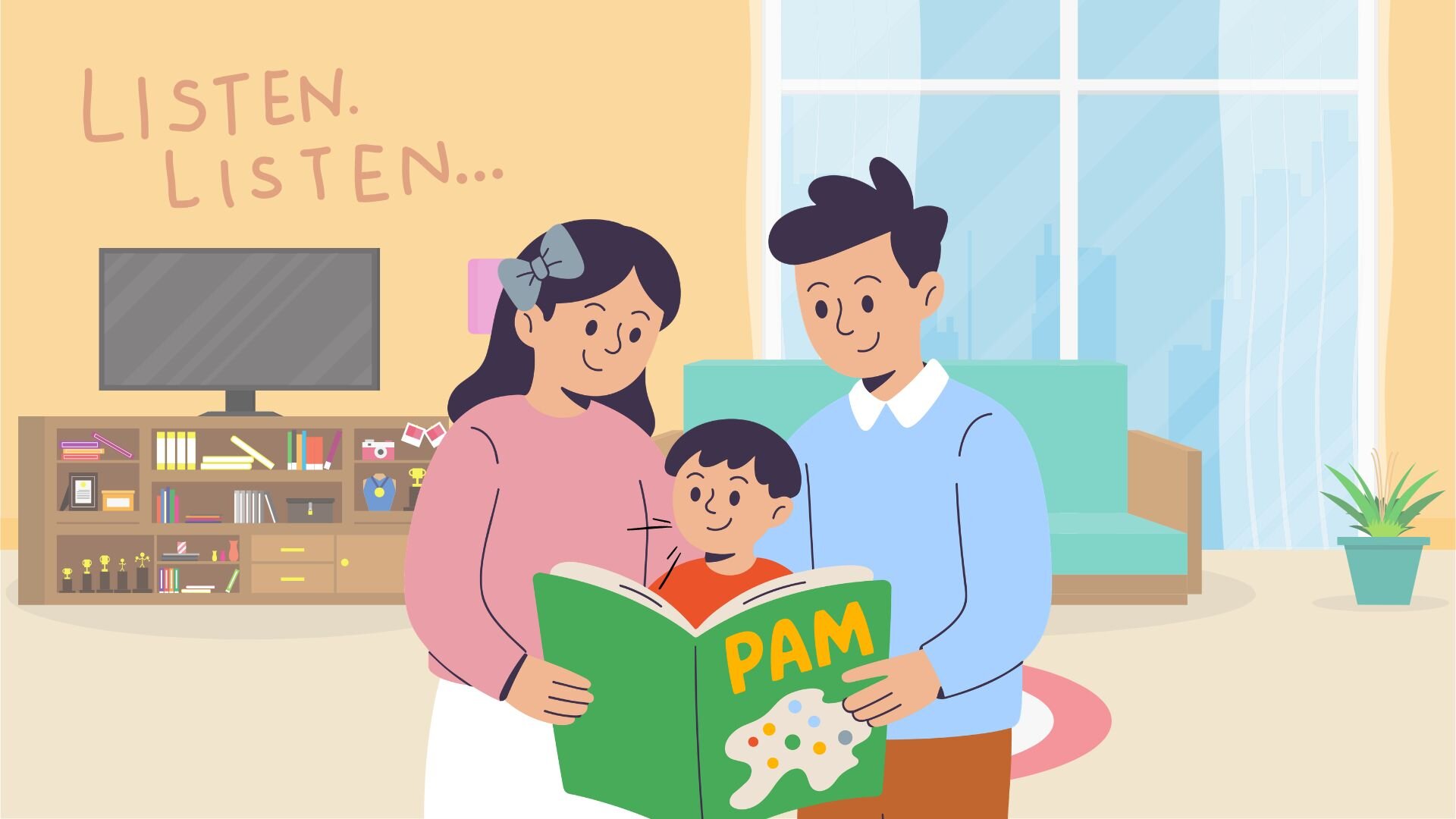
You can easily help your child prepare for the Reading Aloud component by making oral practice a relaxed part of your evening routine. Ask your child to read a short passage from a storybook, a local news article, or even an interesting commentary out loud.
Listen closely without interrupting them mid-sentence. Once they finish, mention one specific thing they did exceptionally well, such as great breath control or clear pronunciation, before gently noting a single area to work on.
If your child tends to speak very softly, races through full stops, or uses a flat tone, address it playfully rather than critically. You can play a quick game where you take turns reading the same sentence in different emotional moods, like completely serious, overly excited, or highly mysterious. This is a fantastic, stress-free way to build vocal expressiveness and natural cadence without any exam pressure.
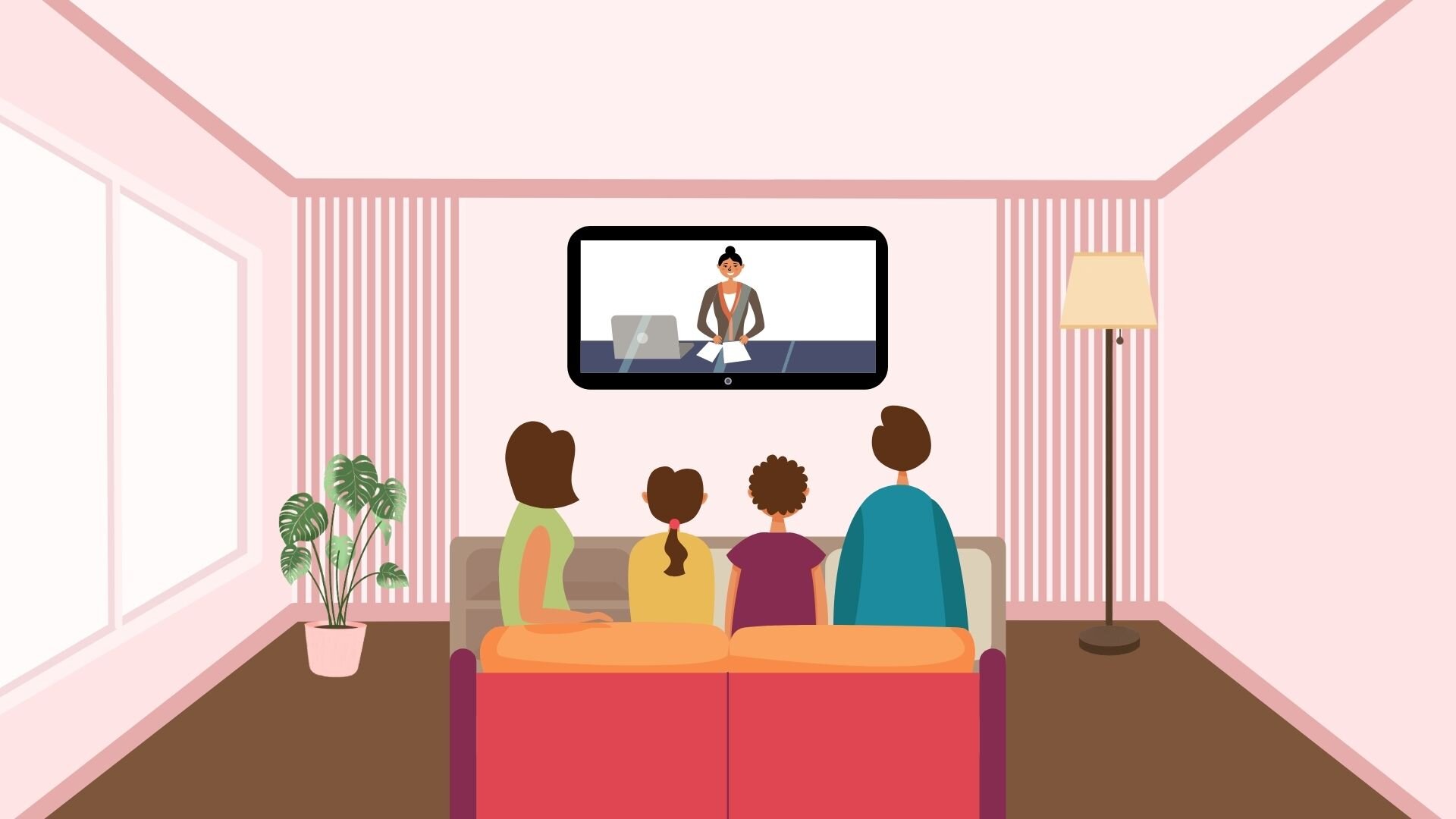
The Stimulus-Based Conversation is fundamentally an opinion-based component. The examiner is not looking for facts or correct answers. They want to know what your child thinks, and more importantly, whether your child can explain and defend that view in a natural conversation.
This is where many students get caught off guard. They can describe the image in front of them but when asked “what do you think about this?” they hesitate or give a vague answer because they have not had enough practice forming and expressing opinions.
The most natural way to fix this is through everyday conversation at home. Ask your child what they think. Encourage them to take a position and explain it. Discuss the themes that appear most often in PSLE Oral, community, the environment, health, technology, and youth issues, and let those discussions be messy and exploratory. A child who is used to having and defending opinions at home will walk into the SBC ready to have a real conversation.
Low-stakes speaking games are one of the most underrated ways to build fluency and confidence at home. Ask your child to convince you of something in one minute. Take turns describing a picture in as much detail as possible. Play a round of “would you rather” and ask them to explain their choice with two reasons.
These quick daily games teach your child how to think on their feet, structure their ideas quickly, and eliminates the fear of silence when facing a prompt.
Every genuine conversation you have with your child between now and exam day is preparation. Every time they feel heard and valued as a communicator, their confidence grows a little more. That confidence is what carries them through the exam room door and keeps them steady when the examiner asks the first question.
If you would like your child to receive structured Oral coaching alongside everything you are doing at home, we are here to help. At WRITERS AT WORK, our Upper Primary English programme includes dedicated Oral preparation designed to foster genuine confidence, fluency, and conversational ability. If you would like a structured resource your child can work through independently, our PSLE Oral 360 Model Responses Book is available for purchase on our website.
Give your child the specialised support and peace of mind they need to excel in their very first national examination. Join us now!
Short answers are usually a sign that your child has not yet developed the habit of extending their thinking beyond the first obvious point. A simple technique that helps is the Point, Evidence, Explanation, Link format. Practise this structure in everyday conversation at home until it becomes second nature.
Speed is one of the most common nervous habits in Oral exams and it is very fixable with the right kind of practice. At home, try recording your child during a casual read-aloud session and playing it back together. Often, simply hearing themselves is enough to make a child more aware of their pace. You can also practise deliberate pausing by asking your child to pause for a full second at every comma and two seconds at every full stop.
When it comes to oral preparation, consistency matters far more than long hours of exhausting revision. Spending just ten to twenty minutes every day on a single habit, like discussing a quick news snippet or playing a speaking game, is the most effective approach. Short, daily sessions keep the practice light and stress-free, ensuring your child builds authentic conversational confidence without feeling the weight of exam exhaustion.

Jemmies Siew, Managing Director and Co-Founder of WRITERS AT WORK Enrichment Centre. With over 15 years of experience in education, entrepreneurship, and marketing, Jemmies has helped shape Singapore’s English enrichment landscape through her vision for transformative learning.
She is passionate about connecting real-world issues with language learning, helping students think critically and express themselves clearly. Connect with her on LinkedIn to follow her insights on education, content marketing, and thought leadership.



Start practising and learning

