Whether you’re looking to refine your favourite essay type or explore unfamiliar territory, this guide breaks down each type with practical tips and example questions to help you prepare effectively.
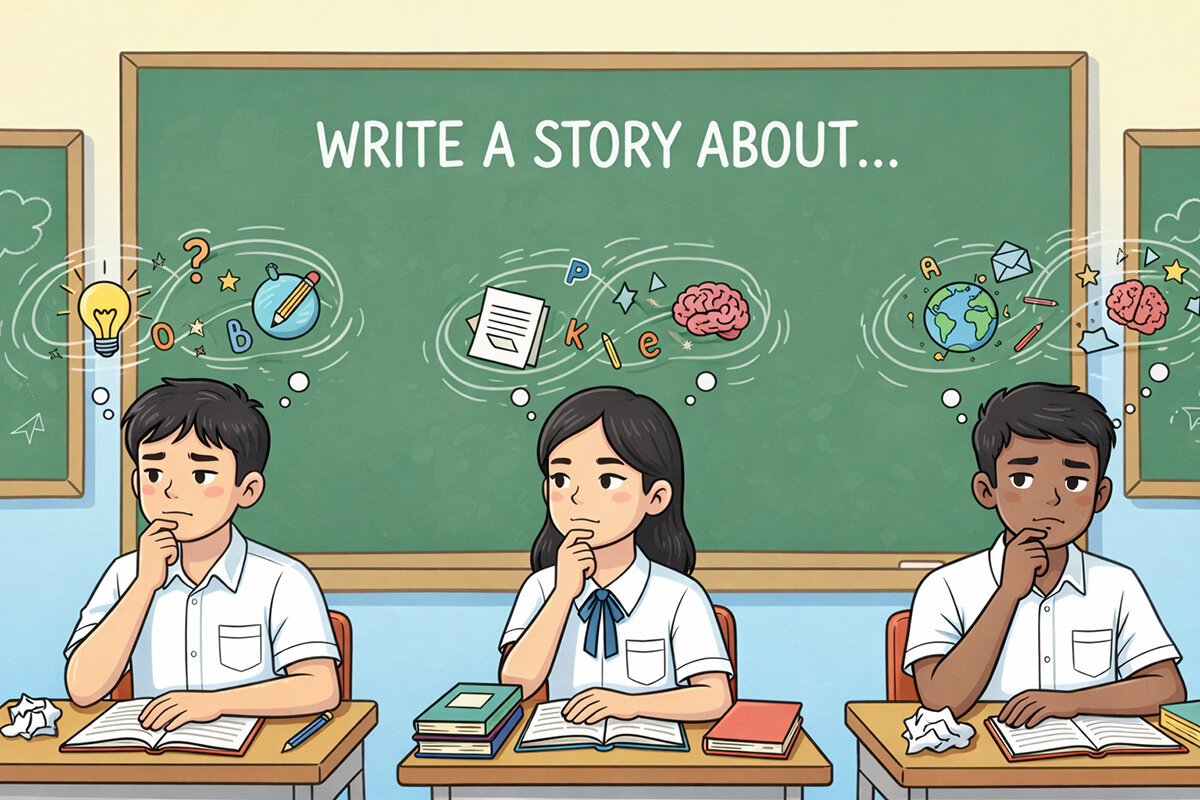
This vocabulary bank is organised by the elements that make celebration stories work. Each word comes with a usage example set in a realistic party or event context. The goal is not to memorise impressive-sounding phrases, but to build a toolkit of accurate words that bring celebration scenes to life.
Descriptive writing focuses on creating a clear picture of a scene, place, person, or experience. It uses carefully chosen details and imagery to help the reader visualise what is being described.
Expository writing is all about explaining or informing your reader. This type of writing is fact-based and objective, so you won’t need to share your personal opinions here.
A discursive essay is where you explore different viewpoints on a topic without picking sides. This means you will have to discuss both the pros and cons of an particular issue.
Argumentative essays are your chance to take a side and defend it. To make your argument stronger, you should address an opposing view and show why your position is still more convincing.
Hybrid essays combine elements from two or more essay types. The most common combination is descriptive + reflective, where you describe a scene, person, or experience vividly while also reflecting on its significance to you.
Now that you know all six types of continuous writing, you’re better equipped to tackle any question that comes your way on exam day. Remember, the more types you’re comfortable with, the more choices you’ll have. Don’t wait — start practising today using past-year O-Level essay questions!
If you’re looking for inspiration, browse through model essays from our students to see how different writers approach each essay type. For more examples, grab our O-Level Model Essays e-book here! And if you’re looking for personalised guidance to level up your writing skills, we’d love to have you at WRITERS AT WORK. In fact, our programme for Secondary 3 and 4 students covers both Paper 1 and Paper 2, so you’ll be fully prepared for every part of your O-Level English exam. Join WRITERS AT WORK today!
It depends on the essay type. You may use “I” in narrative, descriptive, and personal recount essays. Avoid it in expository, discursive, and argumentative essays where a more formal, objective tone is expected.
Only if the question specifically asks for one (like “Write a story with this title”). Otherwise, you don’t need to create your own title. Jump straight into your introduction.
Personal recounts and reflective essays definitely need an element of reflection or lessons learned. It would be good if your narrative essay has a moral or lesson too. Expository, descriptive, discursive, and argumentative essays don’t need morals at all since they serve different purposes.

Agnes Ng, Co-Founder and Teaching & Curriculum Director of WRITERS AT WORK. An NUS Honours graduate and published author with over 30 years of experience, Agnes has been the architect of the organization’s student-centric curricula since 2012.
Dedicated to teacher mentorship and academic excellence, she has guided hundreds of students to achieve outstanding results. Her expertise and commitment to high-quality education remain the cornerstone of WRITERS AT WORK’s success in empowering every learner.



Start practising and learning

