
In every great story, there is a moment where the heart races and the reader holds their breath. This is the Climax. It is the turning point where the conflict reaches its peak and the protagonist must act. For many students, knowing how to write a good composition in English means understanding that the climax is the most valuable part of your script.
However, in the pressure of an exam, many students rush this section, solving the problem in just one or two sentences. At WRITERS AT WORK, we teach our students that the climax isn’t a race to the finish line, but a moment to be savoured and expanded.

The climax is the “Greatest Moment of Tension.” It is the confrontation we have been waiting for. Whether it is snitching on a best friend for cheating or a character finally facing their greatest fear, the climax is where the “dilemma” reaches its breaking point.
The most common mistake we see is ending the climax too quickly.
✅ The Fix: Treat the climax like a slow-motion movie scene. Describe every small movement, every sound, and every internal thought. If a character is about to confess their misdeed to a teacher, describe the sweat on their palms and the way the clock seems to tick louder.
Before the problem is solved, have the character try (and perhaps fail) three small actions.
✅ The Formula: Action 1 (The struggle) + Action 2 (The hesitation) + Action 3 (The final decision).
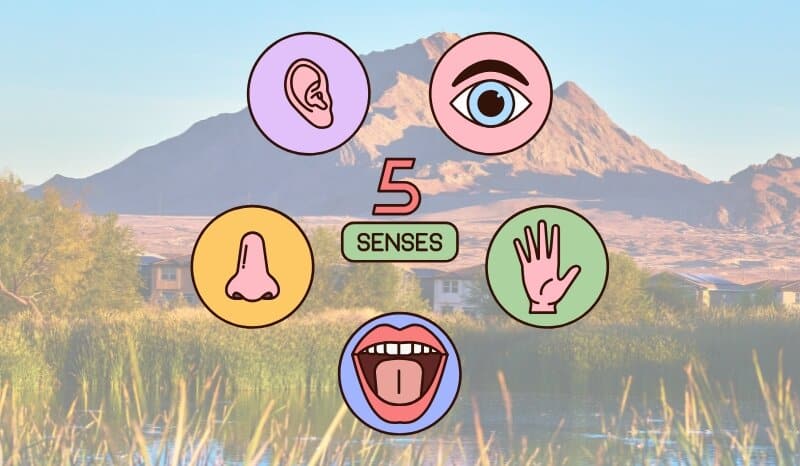
A great climax makes the reader feel like they are there.
✅ Tip: Don’t just tell us what happened. What did the character hear (a thumping heart)? What did they see (the teacher’s stern gaze)? This is a hallmark of an AL1 script.
Long speeches during a climax feel unrealistic.
✅ Tip: Keep dialogue short and breathless. “I… I can’t do this anymore,” I stammered. Short sentences increase the pace and tension of your composition.
The climax is often an internal battle.
✅ Tip: Share the character’s internal monologue. Use questions to show their doubt: “Was I really about to betray my best friend? Would I ever be able to look at myself in the mirror again?”
We often see students write: “I saw him cheating. I told the teacher. He was punished. I felt better.”
📍 The Problem: This is “Telling,” not “Showing.” It lacks tension and feels like a summary rather than a story.
✅ The Fix: Expand the moment! The “telling” of the teacher should be the result of a difficult, heart-wrenching decision that takes at least a full paragraph to describe.

A gripping climax is what separates an average writer from a distinction-grade student. At WRITERS AT WORK, our English Composition Writing Classes in Singapore help students build tension naturally and effectively.
Ready to transform your writing? Start by practising with PSLE Past Years Composition Questions to see how you can fit a climax into real prompts. You can also learn about Understanding the New PSLE Scoring System or perfect your opening with our PSLE Compo Writing Tips: How to Write Good Introductions.
Join us and learn how to make your stories truly unforgettable!
Absolutely! A climax is just the point of highest emotion. It could be the moment a character finally wins a race they have trained for all year. The tension comes from the “Will they or won’t they?” question.
In a PSLE composition, the climax should ideally be about 1 to 1.5 paragraphs. It needs enough space to build tension but shouldn’t drag on so long that the reader gets bored.
Yes. Every narrative needs a peak. Without a climax, your story is just a list of things that happened, which will not score well.
Try the “Half-Way Point” exercise. Take any story and stop right before the big moment. Then, practise writing that moment in as much detail as possible.

Jemmies Siew, Managing Director and Co-Founder of WRITERS AT WORK Enrichment Centre. With over 15 years of experience in education, entrepreneurship, and marketing, Jemmies has helped shape Singapore’s English enrichment landscape through her vision for transformative learning.
She is passionate about connecting real-world issues with language learning, helping students think critically and express themselves clearly. Connect with her on LinkedIn to follow her insights on education, content marketing, and thought leadership.



Start practising and learning

