The final ten minutes of your English Paper 1 can be the difference between an ‘AL2’ and an ‘AL1’. Many students think that once they hit the “The End,” their job is done. However, at WRITERS AT WORK, we teach our students that Paper 1 isn’t just about the writing, but the editing as well.
In our English Composition Writing Classes in Singapore, we see brilliant stories that lose marks simply because they lacked a final polish. Here is your ultimate checklist to ensure your composition stands out to the examiner.
The most common reason for a “Content” mark penalty is drifting away from the theme.
You must choose at least one of the three pictures provided. Simply mentioning it isn’t enough for a high-scoring composition.
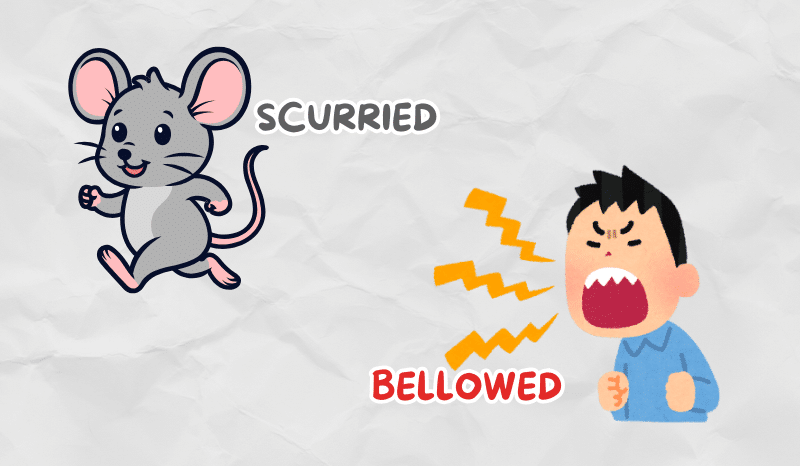
“Boring” verbs like walked, said, or looked are lead pencils in a world of colour.
This is a foundational skill we cover in our English Writing Class for Primary School.
If you wrote “He was angry,” you are telling the reader a fact. If you write “His face turned a deep shade of crimson and his fists clenched,” you are showing them.
Careless mistakes are the “silent killers” of your language mark.
Before you hand in your paper, do a quick scan for these three common traps:
Editing is a skill that requires a sharp eye and a lot of practice. At WRITERS AT WORK, we provide the best creative writing classes for kids in Singapore by helping students master these “Thinking Frameworks.” Our curriculum is designed to make these editing steps instinctive.
Ready to secure your AL1? Explore our resources on PSLE Past Years Composition Questions to see what topics you should be practising. You can also learn about Understanding the New PSLE Scoring System or get a head start with our PSLE Compo Writing Tips: How to Write Good Introductions.
In a 50-minute exam, aim to finish writing by the 40-minute mark. This leaves you 10 minutes for a thorough “Grammar and Content Sweep.”
Yes! If you find a better word or a mistake, simply draw a neat line through it and write the correction above. A neat correction is much better than leaving a mistake.
Not at all. Overdoing it can make your story too long. Use it for the most important moments, like when a character is experiencing a strong emotion or during the climax.
It acts as a “safety net.” Even if your story is very creative, using the keywords proves to the marker that you haven’t gone “out of point.”

Agnes Ng, Co-Founder and Teaching & Curriculum Director of WRITERS AT WORK. An NUS Honours graduate and published author with over 30 years of experience, Agnes has been the architect of the organization’s student-centric curricula since 2012.
Dedicated to teacher mentorship and academic excellence, she has guided hundreds of students to achieve outstanding results. Her expertise and commitment to high-quality education remain the cornerstone of WRITERS AT WORK’s success in empowering every learner.



Start practising and learning

