Many students walk into their composition essay exam feeling like writing is some mysterious talent that only a lucky few are born with. When you stare at a blank page and the clock is ticking, it can feel overwhelming. Nonetheless, writing well is a skill, and like any skill, it can be practised and improved.
We have broken the journey down into 10 clear, practical steps. Think of them in three phases: first, you explore and understand, then, you write, and finally, you reflect and grow.
If you enjoy reading, you will be glad to hear that this is where we begin. Start by reading model essays, but do not just read passively. You need to pay attention to how ideas flow from one paragraph to the next, how the writer structures their argument or story, and how language choices create a particular effect.
Ask yourself: why did this essay score well? What makes it stand out? Annotate as you go. The more you understand what makes a good essay good, the more naturally those habits will find their way into your own writing. You can also take note of good phrases or literary devices to improve your vocabulary and use in your own essays.
Each one has its own conventions. The tone and structure differ across types so take the time to practise writing in each genre. The more you experiment, the better you will understand what each one demands of you as a writer.
Once you have had a go at each type, step back and reflect. Which genre do you genuinely enjoy writing? Which one tends to earn you better marks? These two questions do not always have the same answer, but ideally you want to find a type where both are true.
Everyone has a natural strength. Knowing your go-to essay type gives you a real confidence advantage in the exam because you know you can do it well.
This step is non-negotiable. Even five minutes of planning can make the difference between an essay that feels coherent and one that wanders all over the place.
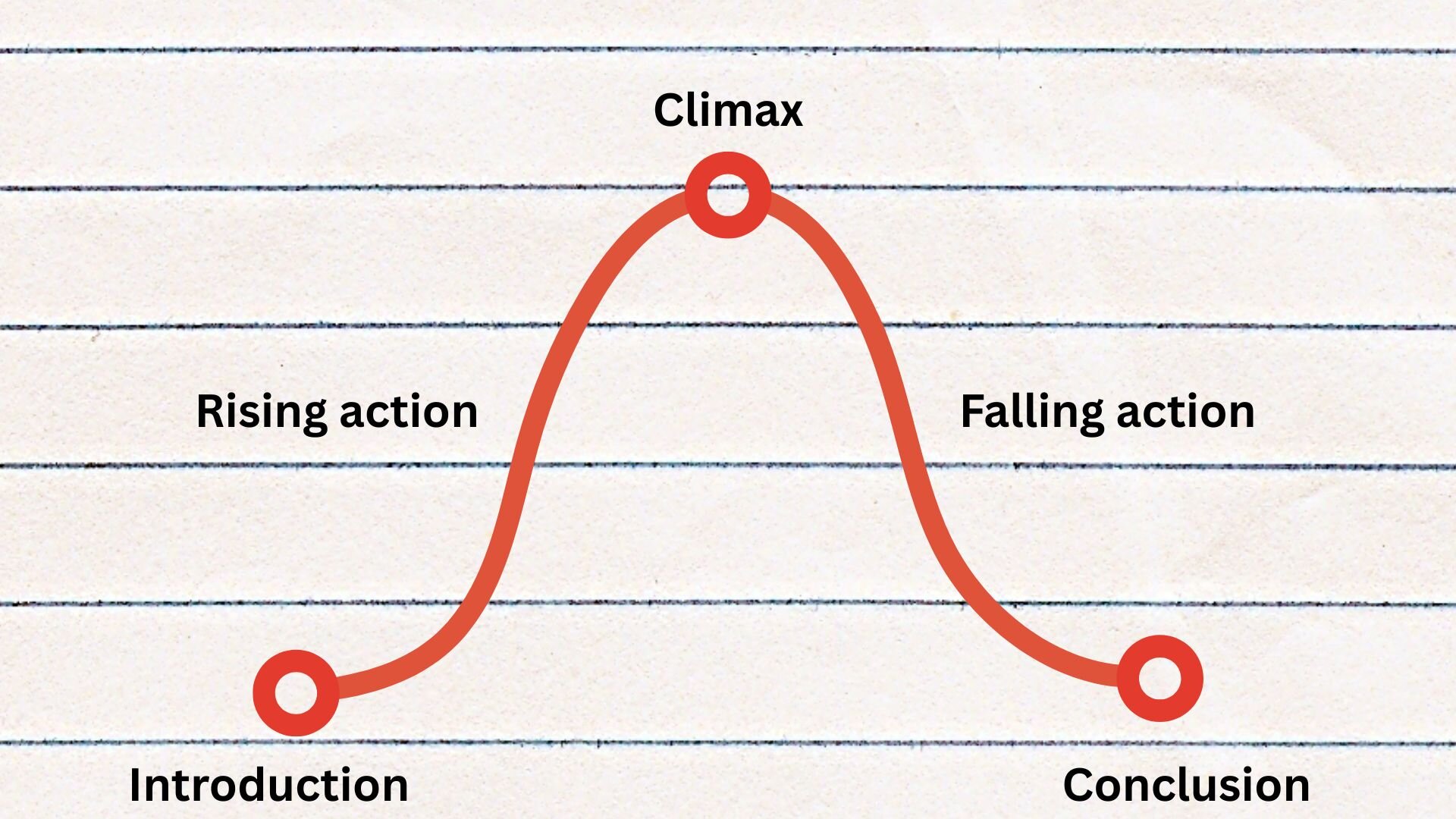
For narrative, personal reflective, and descriptive essays, map out a narrative arc: introduction, rising action, climax, falling action, and conclusion.
For argumentative, discursive, and expository essays, plan your supporting arguments, your counter-argument, and your rebuttal. Make sure you have a clear thesis statement in mind before you write your introduction. Remember, a strong plan is the foundation everything else is built on!
Keep in mind that your examiner is reading through hundreds of essays. You want to stand out from the very first line.
How you structure your body paragraphs depends on the type of essay you are writing.
For argumentative, expository, and discursive essays, the PEEL framework works beautifully. State your Point, provide Evidence or Elaboration, Explain its significance, and Link it back to your main idea. This keeps your argument focused and logical.
For narrative, personal reflective, descriptive essays, focus on scene-building, sensory details, and emotional progression. Try to stay focused on one central idea or theme. Trying to cram in too many events makes your essay feel unfocused.
This is another area where the type of essay you are writing should shape your choices.
For narrative, personal reflective and descriptive essays, literary devices are your best friends. Metaphors, similes, imagery, and personification bring your writing to life and show the examiner that you have real command of language. Of course, use them with intention and not just for show. They should help with your writing and not just be there for the sake of it.
For argumentative, expository, and discursive essays, persuasive language does the heavy lifting. Words like “evidently”, “significantly”, and “undeniably” add weight to your points. You can also vary your sentence structure: short, punchy sentences create impact, while longer, more complex sentences allow you to build nuance. Above all, keep your language clear. Flowery prose in an argumentative essay can muddy your reasoning and actually work against you.
A good conclusion does not just repeat what you have already said. It leaves the reader with something to carry away.
For narrative and reflective, and descriptive essays, consider ending with a lingering image or a moment of quiet realisation. For argumentative, expository, and discursive essays, you should reiterate your points and end with a call to action or a forward-looking statement.
Once you have written your essay, give yourself a few minutes to re-read what you have written. Refine if neccessary. Try to look for unnecessary words that can be cut, awkward phrases that can be smoothed out, and any grammar or spelling slips.
To wrap it all up, improvement in writing does not happen overnight. It is built draft by draft and essay by essay. After each practice, take your teacher’s feedback seriously. Do not just glance at the grade and move on. Read every comment, identify the patterns in what you need to work on, and target those areas deliberately in your next attempt.
Every essay you write, whether it goes well or not, is teaching you something. The students who improve the fastest are the ones who treat every piece of writing as a learning opportunity, not just a task to complete.
Preparation is the best antidote to anxiety. The more you practise writing under timed conditions before the exam, the more familiar and manageable it will feel on the day.
It matters, but not in the way most students think. Having a long list of “fancy” words will not automatically make your composition better. In fact, using difficult words incorrectly or unnaturally can weaken your writing. What examiners are really looking for is precise and appropriate language.
For narrative, personal reflective and descriptive, dialogue can make a story feel more lively and realistic, but it should be used carefully. Include dialogue only when it helps develop the story or reveal a character’s thoughts and feelings. Too much dialogue can interrupt the flow of your writing.